
TL;DR: Generative Engine Optimization (GEO) is the practice of structuring your content so AI-powered search tools like ChatGPT, Perplexity, and Google AI Overviews mention and recommend your store in their responses. Small ecommerce sellers who optimize for AI answers now will build brand visibility that compounds over time, reaching shoppers at the exact moment they ask an AI what to buy.
New to GEO? Start here this week
- Add Product and Organization schema to your 20 best-selling product pages.
- Rewrite those pages with clear specs, real use-cases and a short Q and A block.
- Describe your brand the same way everywhere: your site, Google, and third-party listings.
- Add an AI-referral channel in GA4 so you can see traffic from ChatGPT, Gemini and Perplexity.
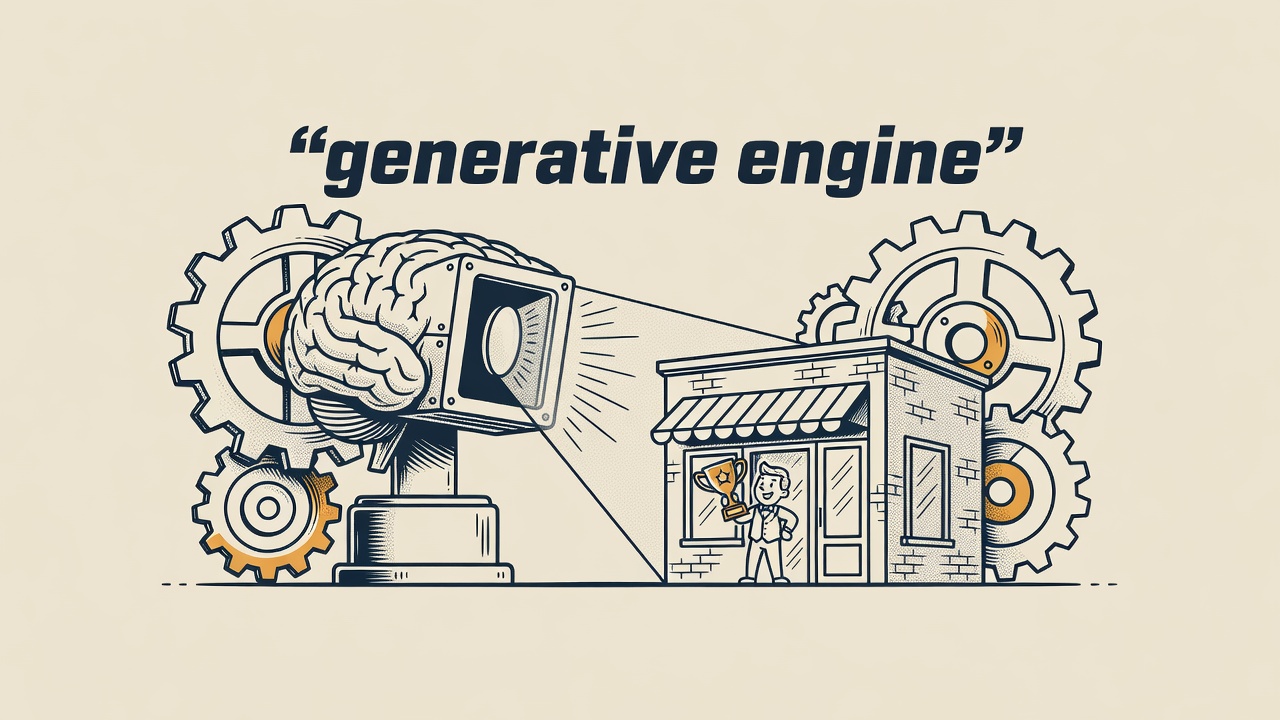
What is generative engine optimization (GEO) and why small stores should care is a question every online seller needs to take seriously right now. AI-powered tools are becoming the first stop for millions of shoppers researching purchases, and the stores that appear inside those AI-generated answers are winning discovery that traditional search results can no longer guarantee alone. GEO is the discipline of making your content readable, trustworthy, and citable for large language models (LLMs) so your brand becomes part of the answer itself, not just a link that may or may not get clicked.
How GEO Differs from Traditional SEO
The four signals AI engines weigh before recommending a store.
| Dimension | Traditional SEO | GEO (AI search) |
|---|---|---|
| Goal | Rank in a list of blue links | Get cited or recommended inside an AI answer |
| Unit of visibility | The page (a URL) | The claim, fact or product the AI extracts |
| Who decides | The ranking algorithm | The AI model’s synthesis of trusted sources |
| What wins | Keyword pages and backlinks | Clear entities, structured data, third-party citations |
| Best format | Long prose with keywords | Scannable Q and A, comparison tables, explicit specs |
| How you measure | Rankings and organic clicks | Citations, AI-referral sessions, share of AI voice |
Traditional SEO is built around ranking in a list of blue links. You optimize pages with target keywords, earn backlinks from authority sites, and work to appear near the top of a results page. That model still matters, but it no longer tells the whole story. Generative engines do not simply display links. They read your content, understand its meaning, synthesize it with other sources, and deliver a single composed answer directly to the user.
Your goal in GEO is not just to rank. It is to be inside the answer. Where SEO asks “does this page appear on page one?” GEO asks “does the AI trust this source enough to cite it, mention it, or recommend it?” That shift changes what you optimize. Instead of focusing on keyword density and backlink counts alone, GEO pushes you to prioritize entity clarity, factual accuracy, structured content formats, and brand reputation spread across multiple credible sources on the web.
Researchers at Princeton, Georgia Tech, and the Allen Institute for AI published an early academic study on GEO showing that specific content strategies, such as adding authoritative citations and presenting clear statistics, measurably increased a source’s visibility in AI-generated answers. You can read the original GEO research paper on arXiv for the full technical breakdown. The core finding: how you structure and write content directly influences whether AI engines choose to use it when composing a response.
The AI Engines Reshaping Product Discovery
ChatGPT, Perplexity, Google AI Overviews, Gemini, and Claude are not just research tools. They are becoming product discovery engines. A shopper types “best eco-friendly reusable water bottles under $40” and receives a composed answer naming specific product types, features, and sometimes stores by name. If your store is part of that answer, you earn visibility without the shopper ever scrolling through a results page. If you are not in the answer, you may not exist to that shopper at all.
Google’s AI Overviews appear at the top of many search queries now, delivering direct answers before any organic results are shown. Google’s AI Overviews developer documentation explains how these summaries are generated and what content signals influence inclusion. Perplexity goes further, acting as a full conversational research assistant that cites specific sources inline with its answers. Both platforms reward content that is clear, specific, and factually reliable over pages that are merely optimized for keyword placement.
This is the heart of what is generative engine optimization (GEO) and why small stores should care about these platforms specifically. AI-powered discovery is not a future trend. It is already shaping purchase decisions today, and the stores building GEO presence now are the ones that will be named when a shopper asks an AI what to buy next month and next year.
Why Small Ecommerce Stores Have a Real Opportunity Here
Large retailers have large marketing budgets, but GEO does not reward ad spend. It rewards content quality, niche authority, and entity clarity. A small store that consistently publishes helpful, specific, well-structured content can earn AI citations ahead of a larger competitor that publishes broad, generic material. This is not about outspending anyone. It is about being the clearest and most trustworthy answer to a specific question.
Small stores often serve tight niches, and that specificity is a genuine asset in GEO. An AI engine answering “where can I find handmade leather card wallets for men” will pull from sources that actually specialize in that product. A focused product page with detailed descriptions, material specifications, and care instructions is far more useful to the engine than a generic marketplace listing. Your depth and focus become a competitive edge over wider stores that spread thin across many categories.
Worth Knowing: AI engines treat your brand as an “entity” in their knowledge systems. The more consistently your business name, product categories, location, and values appear across your own site, social profiles, review platforms, and third-party press mentions, the more confidently an LLM can reference you. A coherent, well-documented identity spread across the web is one of the strongest GEO signals a small store can build without spending a dollar on ads.
Budget constraints also sharpen content strategy in a useful way. Small stores cannot publish everything, so GEO encourages a discipline that works in their favor: fewer, deeper content pieces that genuinely answer real shopper questions. One thorough buying guide covering your core product category can earn AI citations for months. That return far outpaces a dozen thin articles that no AI engine bothers to pull from.
Core GEO Tactics Any Small Store Can Start Today
Start with question-driven content. AI engines pull from pages that clearly and directly address what a user is asking. Open ChatGPT or Perplexity and search for your product category. Look at the questions those tools answer and the language they use. Those are your content targets. Write or rewrite your product pages and blog posts to answer those exact questions with specificity and depth. A page that directly answers “what size rug works for a 10×12 living room?” is more citable than one that simply lists rug dimensions.
Use schema markup on every key page. Structured data tells AI systems what your content means at a machine-readable level. Product schema signals the item’s name, price, availability, and customer reviews. FAQ schema packages your question-and-answer content into a format LLMs can parse cleanly and reuse confidently. The Schema.org Product markup specification is the definitive implementation reference. Even adding basic schema to your product and category pages meaningfully improves how AI systems interpret and credit your store in responses.
Earn brand mentions from credible third-party sources. AI engines look for corroboration across the web: if multiple reputable sites mention your store in connection with a topic, that strengthens your entity profile and increases the confidence an LLM has when recommending you. Reach out to niche bloggers and media outlets, submit products to gift guide roundups, and actively encourage customers to post reviews on independent platforms. Each external mention reinforces your brand identity in the AI’s understanding of your market category.
What Is Generative Engine Optimization (GEO) and Why Small Stores Should Care About Starting Early
The early-mover advantage in GEO is meaningful. AI systems build familiarity with sources as they are trained and updated. Stores that establish a clear, consistent, well-structured presence now will accumulate citations and brand mentions before their competitors recognize the opportunity. Waiting until GEO is a mainstream topic means competing for space that earlier movers have already secured.
Your existing SEO work is not wasted. Good SEO and good GEO share significant common ground. Both reward accurate information, clear writing, fast-loading pages, and a well-regarded brand. The difference is emphasis. GEO pushes you to go deeper on context, answer more specific questions, and build a stronger entity presence across the broader web. Treat it as a natural next layer on top of what you are already doing, not a wholesale replacement for it.
The practical answer to what is generative engine optimization (GEO) and why small stores should care comes down to this: AI-powered search is becoming the default channel for product discovery, and visibility inside those answers is the new prime placement. Small stores that invest in GEO-friendly content and entity building now will earn a durable presence that grows over time, reaching shoppers at the precise moment they are ready to decide.
Quick Takeaways
- GEO is the practice of structuring your content so AI tools like ChatGPT, Perplexity, and Google AI Overviews mention and recommend your store in generated answers.
- Unlike traditional SEO, which chases link rankings, GEO puts your brand inside the AI response where the shopper is already looking.
- Small stores have a real GEO edge because niche specificity, content depth, and entity clarity matter far more than ad budget.
- Schema markup, niche question-and-answer content, and consistent brand mentions across the web are the three highest-impact starting points for GEO.
- Starting GEO now builds an early-mover advantage as AI-powered discovery becomes the default path to product research for online shoppers.
Frequently Asked Questions
- What is generative engine optimization (GEO) in simple terms?
- Generative Engine Optimization (GEO) is the practice of structuring and writing your website content so that AI-powered tools like ChatGPT, Perplexity, and Google AI Overviews can understand, trust, and cite your store when generating responses. The goal is to appear inside AI-generated answers and product recommendations, not just in a traditional list of search result links.
- How is GEO different from traditional SEO?
- Traditional SEO focuses on ranking your pages in a list of search result links so users can click through to your site. GEO focuses on making your content so clear, accurate, and well-structured that AI engines choose to reference or recommend your brand directly inside their generated answers, often in a format where the shopper never needs to visit a search results page at all.
- Which AI engines should small ecommerce stores focus on for GEO?
- The most relevant AI search tools for ecommerce product discovery right now are Google AI Overviews, ChatGPT with web browsing, Perplexity, Gemini, and Claude. Because these platforms share many of the same content quality signals, optimizing for clarity, structure, factual accuracy, and brand trust on your site generally improves your presence across all of them simultaneously.
- Do I need to stop doing SEO to invest in GEO?
- No, you do not need to abandon SEO to pursue GEO. Good SEO and good GEO share significant common ground because both reward accurate information, clear writing, fast-loading pages, and a reputable brand. GEO adds emphasis on entity clarity, structured data, and niche content depth, making it a natural extension of a strong SEO strategy rather than a replacement for it.
- What is the fastest way for a small store to begin with GEO?
- Start by searching your product niche in ChatGPT or Perplexity and noting the specific questions those tools already answer. Write or update your content to address those exact questions clearly and thoroughly. Add Product and FAQ schema markup to your key pages, and actively earn brand mentions from niche blogs, gift guides, and review platforms to build a credible entity presence that AI engines can recognize and repeat.