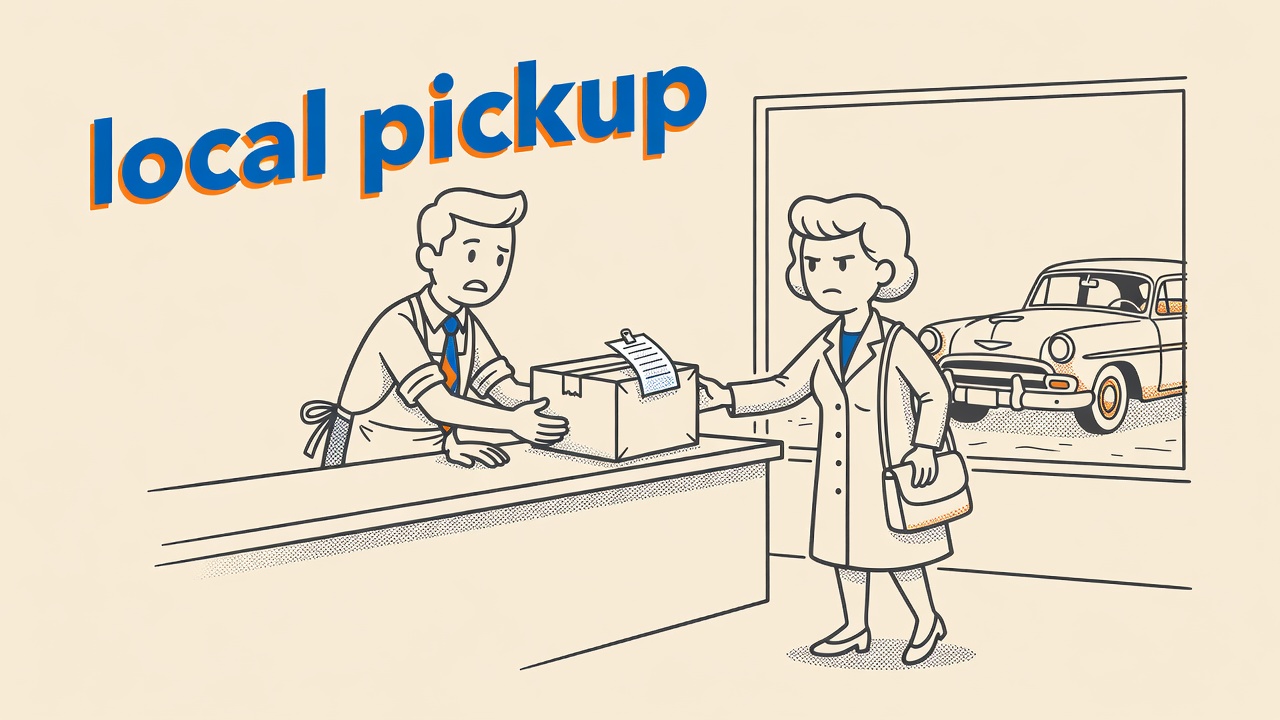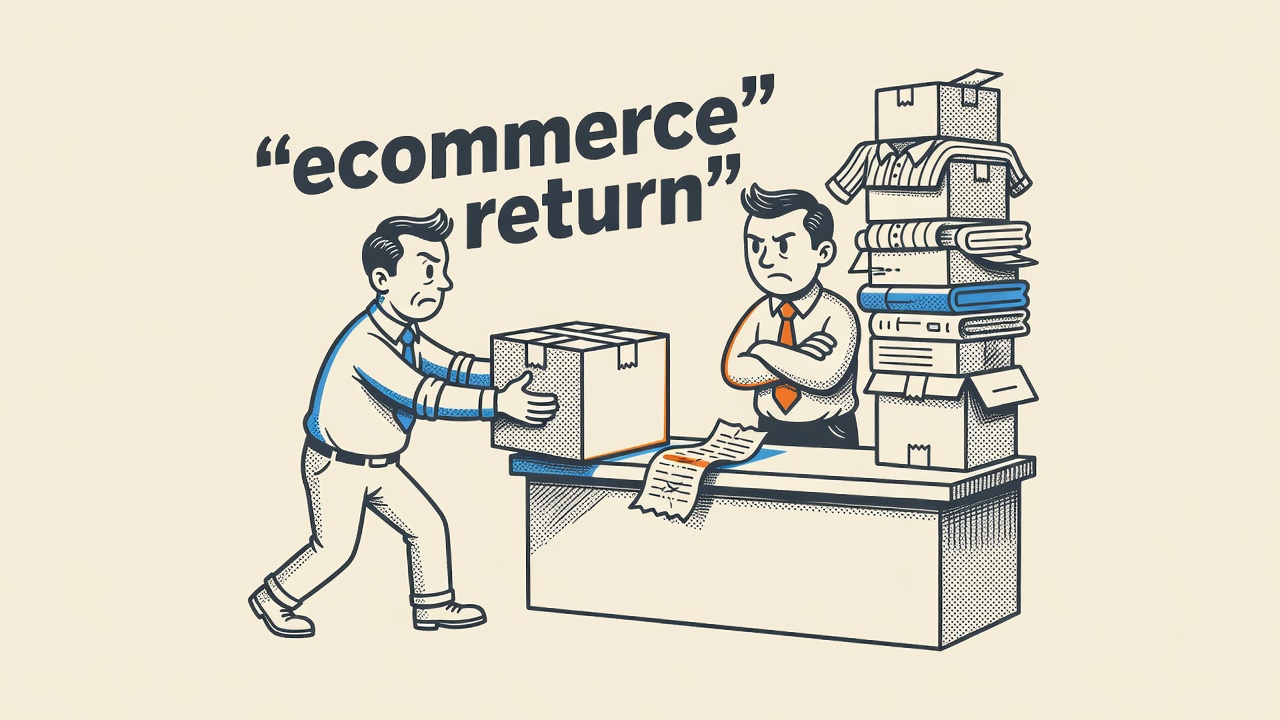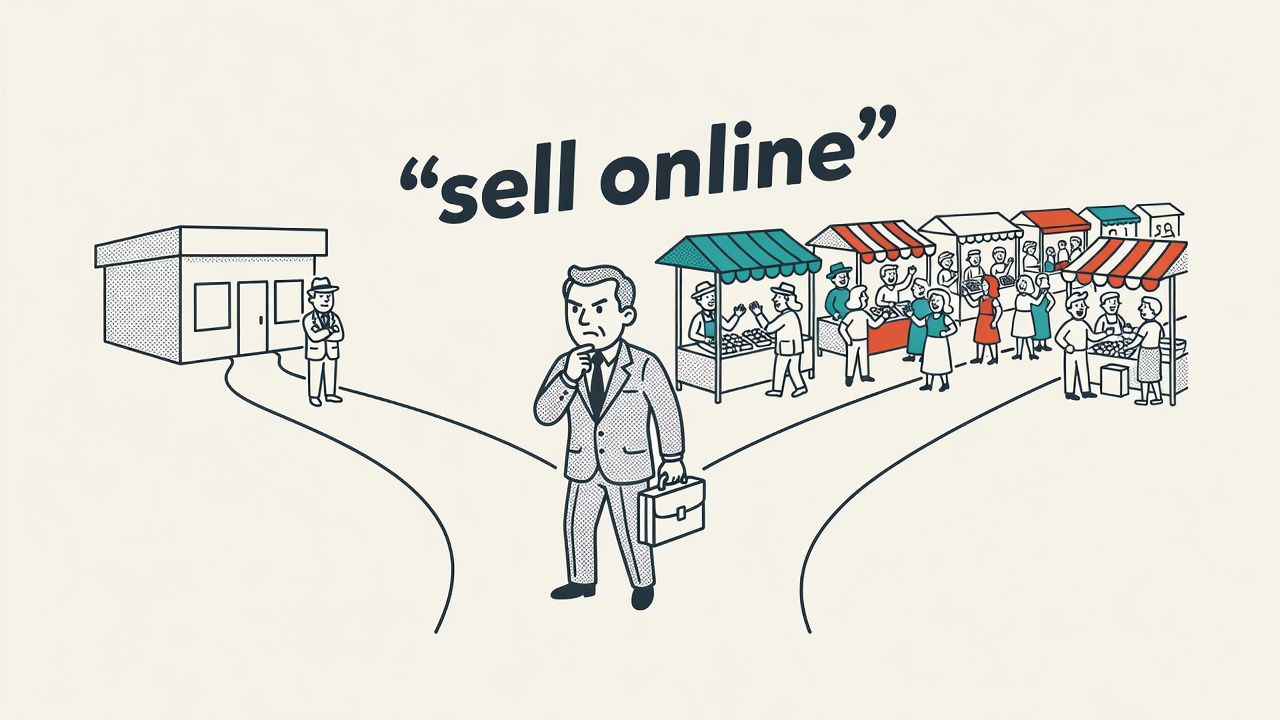

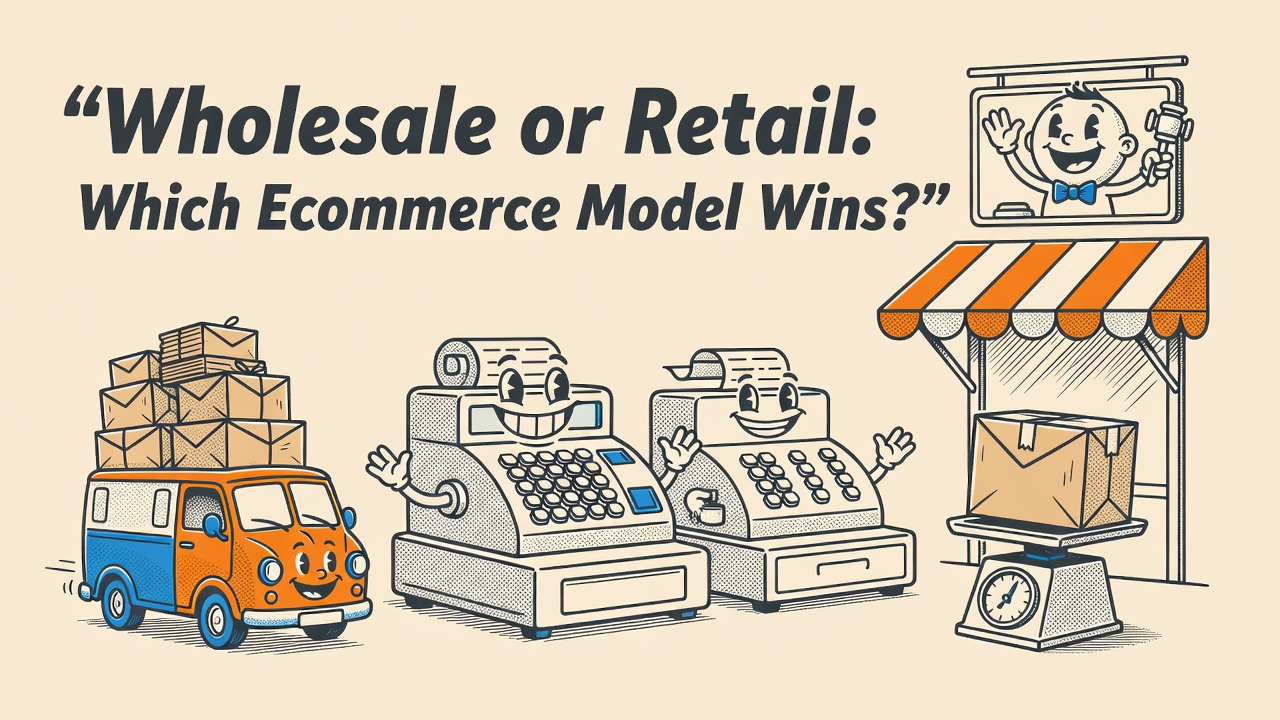
TL;DR: Wholesale vs retail ecommerce comes down to one core difference: who your buyer is. Wholesale is B2B, selling in bulk to other businesses at lower unit prices. Retail is B2C, selling directly to consumers at full price. Each model has different margin structures, buyer journeys, and operational requirements, and most growing brands eventually run both.
What Wholesale vs Retail Ecommerce Really Means
Wholesale vs retail ecommerce is not just a pricing question. It is a fundamental choice about who your customer is and how your entire business operates around serving them. In wholesale ecommerce, your buyer is another business. A store owner, a distributor, or a reseller purchases your products in volume and sells them to their own customers. In retail ecommerce, you sell directly to the person who actually uses the product.
Wholesale sits in the middle of the supply chain. You bridge the gap between manufacturers and retailers, moving product in volume before it reaches end consumers. Retail ecommerce is the final stop. You are the last seller before the product lands in someone’s home. That position in the chain shapes your pricing, your fulfillment setup, your customer relationships, and your cash flow strategy in ways that are difficult to untangle once you have committed to one model.
The buyer types are completely different. Wholesale buyers are procurement teams, category managers, and brand buyers making planned, recurring decisions with purchase orders and approval workflows. Retail buyers are individuals scrolling on a phone, often making fast, emotional purchases based on what a product page or an ad just showed them. Same product, sometimes even the same seller, but a completely different sales context on each side of the transaction.
Wholesale vs Retail Ecommerce: Pricing and Profit Margins
Pricing is the most visible difference in wholesale vs retail ecommerce. Wholesale prices are lower per unit, typically 30-60% below the retail price, because buyers commit to large order volumes in exchange for the discount. Wholesale profit margins usually fall between 15 and 30 percent per unit. The volume of each order is what makes those thinner margins work. One purchase order can generate as much revenue as hundreds of retail transactions.
Retail ecommerce runs on much higher per-unit margins. Markups of 50-200% are common depending on category, because you are selling one unit at a time to a consumer paying full price. But higher margins per sale do not automatically translate to more net profit. You spend on paid ads, influencer placements, returns processing, customer service, and branded packaging to generate each individual sale. The acquisition cost per dollar of revenue in retail is significantly higher than in wholesale.
Payment structure also differs sharply. Wholesale ecommerce typically runs on invoice-based billing with Net 30 or Net 60 payment terms. Your cash is tied up in accounts receivable while you wait for payment after shipment. Retail ecommerce collects money upfront at checkout via card, digital wallet, or buy-now-pay-later. That difference in cash flow timing can meaningfully affect your ability to fund the next round of inventory, especially when you are growing fast and placing larger purchase orders with your supplier.
How the Buyer Journey Differs
A retail customer can go from first discovery to completed purchase in under five minutes. They find your product through a search result, an ad, or a social post. They scan the product page, check reviews, and check out. The entire process is self-service. Your job is to make that path short and persuasive. Strong product photography, clear descriptions, social proof, and a frictionless checkout are the levers that move the needle.
A wholesale deal takes weeks, sometimes months. Your prospective buyer is often a team with multiple stakeholders. A category buyer evaluates your product. A finance contact approves the budget. A procurement manager negotiates pricing tiers, minimum order quantities, and payment terms. There may be sample requests, a competitive review, and a formal vendor agreement before the first purchase order is ever cut. The buying process is deliberate and document-heavy compared to retail.
That longer sales cycle creates stability once accounts are live. Wholesale buyers reorder on predictable schedules. Your sales team can forecast revenue with real accuracy. Customer acquisition cost per unit drops dramatically over time, because the cost of landing an account is spread across years of recurring orders. In contrast, retail businesses must continuously invest in marketing to drive new traffic, re-engage lapsed buyers, and win repeat purchases. The cost of keeping revenue flowing never fully disappears on the retail side.
Inventory and Fulfillment: Two Different Operations
Wholesale fulfillment moves large quantities of product to single destinations. You pick cases or pallets, document shipments with packing lists and commercial invoices, and ship to a retailer’s warehouse or distribution center. Your inventory strategy favors depth over breadth. You stock fewer SKUs but hold large quantities of each one to handle big replenishment orders without stockouts that damage your relationship with the account.
Retail fulfillment is unit-level work. You pick individual items, pack them in branded boxes, and ship to hundreds of separate residential addresses each day. Returns are built into the model, running 15-30% in categories like apparel and footwear. You need a returns intake process, customer service coverage for missing or damaged shipments, and warehouse space to receive, inspect, and restock returned inventory. The labor cost per order is considerably higher than in wholesale.
Tools like ShipBob support both fulfillment models from a single inventory pool, handling pallet-level wholesale shipments and individual DTC orders without requiring separate warehousing. For order management across both channels, Ordoro handles wholesale purchase orders and retail order routing in one platform. If you are operating both channels, consolidating on tools that handle both reduces the operational complexity of managing two very different fulfillment workflows simultaneously.
Pro Tip: Do not compare wholesale and retail margins using gross margin percentages alone. Calculate net margin after actual fulfillment costs for each channel. A retail DTC sale at 60% gross margin can land below a wholesale sale at 22% gross margin once you factor in the cost of picking, packing, outbound shipping, and processing a return. Run the blended cost per order for each channel before deciding where to focus your growth investment.
The Hybrid Model: Running Wholesale and DTC Together
Running both channels is common for growing brands. Your wholesale accounts expand distribution and drive volume through their existing retail networks. Your DTC store builds direct customer relationships, collects first-party data, and lets you control the brand story end-to-end. Each channel does a job the other cannot do as well, and when the two work in coordination, they reinforce each other rather than compete.
Channel conflict is the main risk. If wholesale buyers see your DTC store selling at prices that undercut what their own customers pay, they will push back or stop ordering from you. The fix is a clear pricing architecture. Many brands offer different bundles or exclusive SKUs through each channel. Others keep DTC pricing at or above the suggested retail price their wholesale accounts use. Transparent communication with your wholesale partners about pricing policy goes a long way toward preventing friction before it starts.
Shopify Plus with its native B2B features lets you manage both channels from a single store. You can set account-based pricing for wholesale buyers, hide B2B catalogs from retail visitors, and enforce minimum order quantities without building a separate B2B platform from scratch. For brands that are scaling into wholesale while maintaining a DTC store, it removes a significant amount of the operational overhead that comes with running two distinct storefront environments.
Choosing the Right Model for Where You Are Now
The wholesale vs retail ecommerce decision is not a permanent one. Most brands move between models as they grow. Starting with retail DTC gives a new brand direct customer feedback, higher per-unit margins, and full control over the brand experience before production volumes are large enough to meet typical wholesale MOQs. You learn what the market actually responds to before locking into bulk runs based on assumptions.
Wholesale makes more sense once you have a proven product, consistent production, and the operational capacity to fulfill large orders reliably. One new wholesale account can represent tens of thousands of dollars in predictable annual revenue with a fraction of the marketing spend required to generate the same total through retail. The SBA’s business growth guide covers how to evaluate whether your current structure and cash flow can support the step up into B2B selling without overextending.
Most established brands operate some version of both channels. The sequencing is what matters. Build your product-market fit and proof of concept through retail, then add wholesale once you can serve accounts without disrupting your DTC operation. Use the volume and cash flow stability from wholesale to fund your retail marketing. The two models support each other effectively when you introduce the second channel at the right stage of growth.
Quick Takeaways
- Wholesale ecommerce is B2B, selling bulk to other businesses at lower unit prices. Retail ecommerce is B2C, selling directly to end consumers at full price.
- Wholesale margins run 15-30% per unit but each transaction is large and recurring. Retail markups are higher per unit but acquisition and fulfillment costs take a significant cut.
- Wholesale buyers go through a longer, multi-stakeholder process involving contracts and payment terms. Retail buyers complete a self-service checkout in minutes.
- A hybrid model works for many brands, but requires clear pricing tiers and proactive communication with wholesale accounts to avoid channel conflict with your DTC store.
| feature | wholesale | retail |
|---|---|---|
| buyer type | B2B businesses | B2C consumers |
| unit margin | 15-30% | 50-200% markup |
| price vs retail | 30-60% below retail | full price |
| payment terms | Net 30 / Net 60 | upfront at checkout |
| order size | bulk volumes | single units |
| buyer journey | planned, recurring | fast, emotional |
Frequently Asked Questions
- What is the main difference between wholesale and retail ecommerce?
- Wholesale ecommerce sells products in bulk to other businesses (B2B), while retail ecommerce sells individual units directly to end consumers (B2C). This single distinction drives all other differences between the models, including pricing, payment terms, fulfillment methods, buyer relationships, and the level of marketing investment required to sustain revenue.
- Which model has better profit margins, wholesale or retail?
- Retail ecommerce delivers higher per-unit margins, commonly using markups of 50-200%. Wholesale margins typically run 15-30% per unit but generate strong total revenue through large order volumes. Once you account for retail’s higher marketing, fulfillment, and returns costs, the net margin advantage over a steady wholesale account often narrows considerably.
- Can a brand run wholesale and retail ecommerce at the same time?
- Yes, and many brands do. Running both channels requires a clear pricing strategy to prevent your DTC store from undercutting your wholesale buyers. Platforms like Shopify Plus with native B2B features let you manage account-based pricing, separate catalogs, and minimum order quantities for wholesale customers alongside a standard retail storefront in one system.
- What is a minimum order quantity and why does it matter in wholesale ecommerce?
- A minimum order quantity (MOQ) is the smallest number of units a wholesale buyer must purchase in a single order. MOQs protect the seller’s margins by ensuring each transaction is large enough to be profitable at the discounted wholesale price. Retail ecommerce has no MOQ because consumers pay full price for individual units and there is no volume discount involved.
- Which model is better for a new ecommerce brand with limited capital?
- Retail DTC is usually the better starting point for new brands. It requires no large production run to satisfy wholesale buyers, delivers higher per-unit margins, and gives you direct customer feedback to refine your product before scaling. Once you have proof of concept and can fulfill large orders reliably, adding a wholesale channel becomes a practical next step for faster volume growth.