
TL;DR: Knowing how to find wholesale suppliers for an online store starts with clarifying your niche, fulfillment model, and budget before searching B2B marketplaces, supplier directories, and direct brand contacts. Always verify credentials, request product samples, and calculate total landed cost before committing to any supplier relationship.
Sourcing products at the right price is one of the most consequential decisions a new seller makes. The process is not complicated, but skipping key steps leads to stock problems, quality issues, and margins that disappear fast. The guide below covers everything from initial preparation through vetting, negotiating minimums, and comparing final costs.
What to Clarify Before You Start Sourcing
A wholesale supplier is a business that sells goods in bulk at below-retail prices to merchants who then resell them to end customers. Before opening any directory or marketplace, write down your product category, expected monthly sales volume, available starting budget, and whether you plan to hold inventory or use a dropshipping model. Suppliers evaluate you as much as you evaluate them, so walking in with these answers makes every conversation faster and more productive.
Your fulfillment model changes which suppliers are relevant. Holding inventory means you need a supplier that ships bulk orders reliably within a consistent lead time. Dropshipping means you need a supplier willing to fulfill single units directly to your customers, with packaging suited to that model. Many bulk wholesale suppliers do not offer dropshipping at all, so clarifying your model early eliminates a large share of irrelevant contacts before you waste time on them.
Your budget shapes your options too. Wholesale accounts require a minimum order quantity before a supplier will sell at the discounted price, and that threshold varies from a handful of units to thousands. Knowing your starting budget tells you which minimums are realistic right now. Also decide at this stage whether you need domestic suppliers for faster shipping and simpler compliance, or whether you are open to overseas sourcing for lower unit costs and a wider product range.
Discovery Channels for Finding Wholesale Suppliers
The main discovery channels are B2B marketplaces such as Alibaba, Faire, and IndiaMART; curated directories such as SaleHoo and Wholesale Central; Thomasnet for North American manufacturers; industry trade shows; supplier referrals from other merchants; and direct outreach to brands whose products you already sell or admire. Each channel takes different effort and returns different results.
The table below is based on practitioner experience and should serve as a starting reference, not a definitive ranking of these platforms.
| Platform | Best For | Typical MOQ | Geography Focus |
|---|---|---|---|
| Alibaba | Low unit cost, broad category range | Medium to high | Asia (global ship) |
| Faire | Independent and artisan brands | Low | US, UK, EU |
| IndiaMART | Textiles, handicrafts, industrial goods | Medium | India (global ship) |
| Thomasnet | US-made and custom manufacturing | Varies | North America |
| SaleHoo | Pre-vetted suppliers, beginner-friendly | Low to medium | Global |
| Wholesale Central | Free directory, US-based stock lots | Low | United States |
Alibaba connects you with manufacturers and trading companies mostly in Asia across nearly every product category. Expect two to four weeks of back-and-forth before a sample arrives, plus sample costs that commonly run from a small fee to well over a hundred dollars depending on the product. Faire specializes in independent and boutique brands, and you can open an account and place a first order within hours. SaleHoo and Wholesale Central curate their listings, which reduces but does not eliminate the vetting work you need to do yourself.
Trade shows such as ASD Market Week, NY NOW, or Toy Fair let you meet suppliers in person, inspect products directly, and collect contacts you can verify afterward. A focused two-day trade show visit can yield ten to thirty qualified supplier contacts you would never surface online, and those relationships tend to last. Industry associations often maintain member directories that surface niche suppliers not listed on any marketplace. Referrals from fellow merchants in Facebook groups or seller communities on Reddit are also worth pursuing, since the person recommending them has usually done the vetting already.
Worth Knowing: Any supplier can pay to list on a B2B marketplace. A verified listing does not mean a verified business. Cross-check every supplier’s registration documents, physical address, and buyer reviews across multiple independent sources before you place any real money on the table.
Going Direct to Brands, Manufacturers, and Local Distributors
Direct sourcing skips the trading company layer and can improve your margins in a meaningful way. Many consumer brands have a wholesale program you can apply for through their website. Look for a “wholesale” or “trade” link in the footer. If there is none, a short professional email to the company’s sales contact often gets a response. State your store name, your monthly expected order volume, and what platform you sell on. Brands respond better to sellers who come prepared.
Domestic distributors deserve serious consideration alongside overseas options. Suppliers in your own country typically offer faster shipping, simpler import compliance, and return processes that do not involve international freight. Thomasnet is a strong directory for North American manufacturers across categories such as packaging, apparel, industrial goods, and electronics components. Regional trade directories and local chamber of commerce listings can surface smaller distributors that never appear on global platforms.
Factory-direct purchasing is another route when your volume justifies it. Some factories listed on Alibaba or IndiaMART also accept inquiries for private-label or custom-spec orders. This path takes longer, requires a larger upfront commitment, and demands more rigorous vetting. The unit economics are often meaningfully better than buying through a trading company middleman, but expect at least six to twelve weeks from first contact to your first shipment.
Vetting Steps That Confirm a Supplier Is Legitimate
Verifying a supplier’s identity before spending a dollar is not optional. Request the supplier’s full business name, registration number, and physical address. Cross-check that address using a mapping tool and the relevant country’s business registry. Ask for references from existing buyers and actually follow up with them. For overseas suppliers, check whether they hold any quality certifications relevant to your product category, such as ISO compliance, CE marking, or FDA registration where applicable.
Product samples are your most useful vetting tool. Order samples of every item you plan to stock before placing a full purchase order. Assess product quality, packaging, labeling accuracy, and how the supplier handles the sample shipment itself. Slow or disorganized sample fulfillment is a reliable signal of how a full order will go. A supplier that processes samples quickly, communicates proactively, and ships on time is worth developing further. These steps form a reliable framework for how to find wholesale suppliers for an online store without getting burned by a bad actor.
Beyond product quality, review the supplier’s written policies. Ask for their damage and defect claims procedure, return terms, and any resale restrictions such as MAP pricing or platform exclusions. Some suppliers prohibit resale on Amazon or restrict who can list their brand. Knowing these terms before the first purchase order protects your store from supply chain surprises that arrive too late to fix.
Questions to Ask Before You Place Your First Order
Every supplier conversation should cover a consistent set of questions so you can compare responses fairly. Ask about minimum order quantity and whether it applies per SKU or per total order value. Ask about unit pricing at different volume tiers, typical lead time from order confirmation to shipment, available stock depth on each product, and payment terms. Net-30 terms are common in established wholesale relationships, though new accounts often start with prepayment or card-on-file until trust builds over several orders.
Also ask about shipping methods, estimated freight costs, and responsibility if goods are damaged in transit. Find out whether the supplier can provide product photography, spec sheets, or compliance documentation to support your listings. And ask directly: do they supply other sellers on the specific platforms you sell on? A supplier selling the same SKUs to many competitors in your category makes price competition considerably harder to avoid. These questions take five minutes to ask and can save months of frustration.
Comparison Basics: Evaluating Supplier Quotes and Total Landed Cost
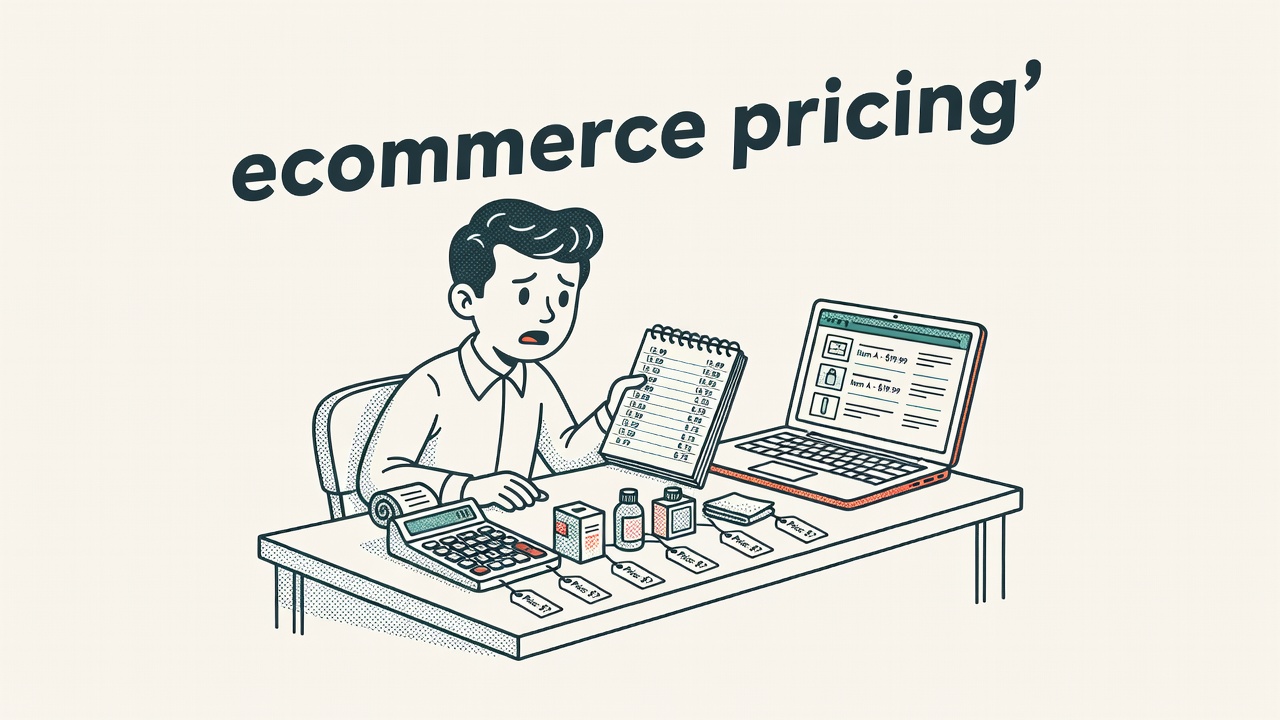
Once you have quotes from three or more suppliers, build a spreadsheet to compare them side by side. Unit price is only one column. The full comparison needs to include freight cost per unit, estimated import duties and taxes, insurance, payment processing fees, and a reserve for expected defects or returns. Add those figures together to get your total landed cost per unit, which is the only number that tells you whether a product is actually profitable at your planned selling price.
MOQ is a key negotiation lever. A minimum order quantity is the smallest purchase a supplier will accept at the wholesale price. It varies from a handful of units for some domestic distributors to thousands for overseas factories. Many suppliers will negotiate MOQ downward for a new account, especially when you show volume potential and communicate your growth plans clearly. Offering to pay a small per-unit premium in exchange for a lower opening order is a standard and widely accepted approach across most product categories.
When scoring shortlisted suppliers, evaluate at least five dimensions: product quality from your sample order, total landed cost, responsiveness to your questions, shipping reliability, and their apparent ability to scale supply as your volume grows. Identify a backup supplier for any product that becomes important to your revenue. A single-supplier dependency on a fast-selling SKU is an avoidable risk that can halt your business during a stockout or a supplier disruption.
Pro tip from Ronen Abudi, e-commerce and GEO specialist (ronenabudi.com): Before committing to a supplier’s MOQ, run a small paid traffic test to validate demand at your target price point. Knowing your conversion rate before your first bulk purchase makes inventory sizing far less of a guessing game.
Quick Takeaways
- Map your fulfillment model, budget, and expected monthly volume before searching any directory. Those answers determine which supplier channels make practical sense from day one.
- Platform badges and verified labels are not a substitute for due diligence. Pull the supplier’s company registration, confirm the street address on a map, and speak directly with at least two of their existing buyers before transferring any money.
- Compare total landed cost (unit price plus freight, duties, fees, and defect reserve) rather than raw quote price. That figure is the one that determines real profitability.
- Qualify a backup supplier for every top-selling product. Single-source dependency on a critical SKU is easy to build in and difficult to solve during a live stockout.
Frequently Asked Questions
- Where can I find wholesale suppliers for an online store?
- B2B marketplaces such as Alibaba, Faire, and IndiaMART give access to thousands of suppliers across most product categories. Curated directories like SaleHoo and Wholesale Central provide pre-screened lists. Thomasnet connects buyers with North American manufacturers. Trade shows, industry association member directories, and direct outreach to brands round out the toolkit and often surface suppliers that never appear on any public platform.
- What is a wholesale supplier minimum order quantity, and can it be negotiated?
- MOQ stands for minimum order quantity, the threshold a supplier sets before selling at the wholesale price. That threshold varies by supplier type: some domestic distributors start as low as ten or twenty units, while many overseas factories require hundreds or thousands. Negotiation is possible, particularly with suppliers who are actively building their account base. Presenting a credible growth plan, or agreeing to pay a small per-unit surcharge on the opening order, can unlock a lower minimum.
- How do I verify that a wholesale supplier is legitimate?
- Start by requesting the supplier’s full business name, registration number, and physical address, then confirm those details through a government business registry or mapping tool. Contact buyer references directly rather than relying on a platform’s review system. Order product samples before committing to any bulk purchase. A supplier who is slow to respond, reluctant to share documentation, or disorganized in handling samples is a supplier worth walking away from.
- What questions should I ask a potential wholesale supplier?
- Cover MOQ per SKU and per total order, unit pricing at different volume levels, lead times from order confirmation to shipment, available stock depth, and payment terms. Also ask about their policy on damage, defects, and returns, plus any resale restrictions such as MAP pricing or platform exclusions. Finding out whether they already supply other sellers on your platform helps you gauge the competitive landscape before you commit.
- How do I compare wholesale supplier quotes and calculate total landed cost?
- Collect every cost component beyond the quoted unit price: freight per unit, import duties and taxes for your destination country, insurance, payment processing fees, and a reserve for defects. Summing those figures yields your total landed cost per unit. Stacking that total against your planned selling price shows the true margin, which is the only number that tells you whether a supplier option is worth pursuing before you sign a purchase order.