
TL;DR: Dropshipping removes upfront inventory cost but creates distinct risks around supplier reliability, thin net margins, shipping delays, and legal exposure. How risky is dropshipping for beginners depends heavily on product category, supplier vetting, and ad budget discipline. With preparation those risks are manageable; without it, losses escalate quickly.
How risky is dropshipping for beginners is one of the most searched questions new sellers type before committing to the model. The short answer is that the risk is real but specific: it clusters around a handful of controllable variables rather than being uniformly high. What follows is a clear breakdown of each risk category so you can assess it honestly before spending a dollar.
How Risky Is Dropshipping for Beginners, Really?
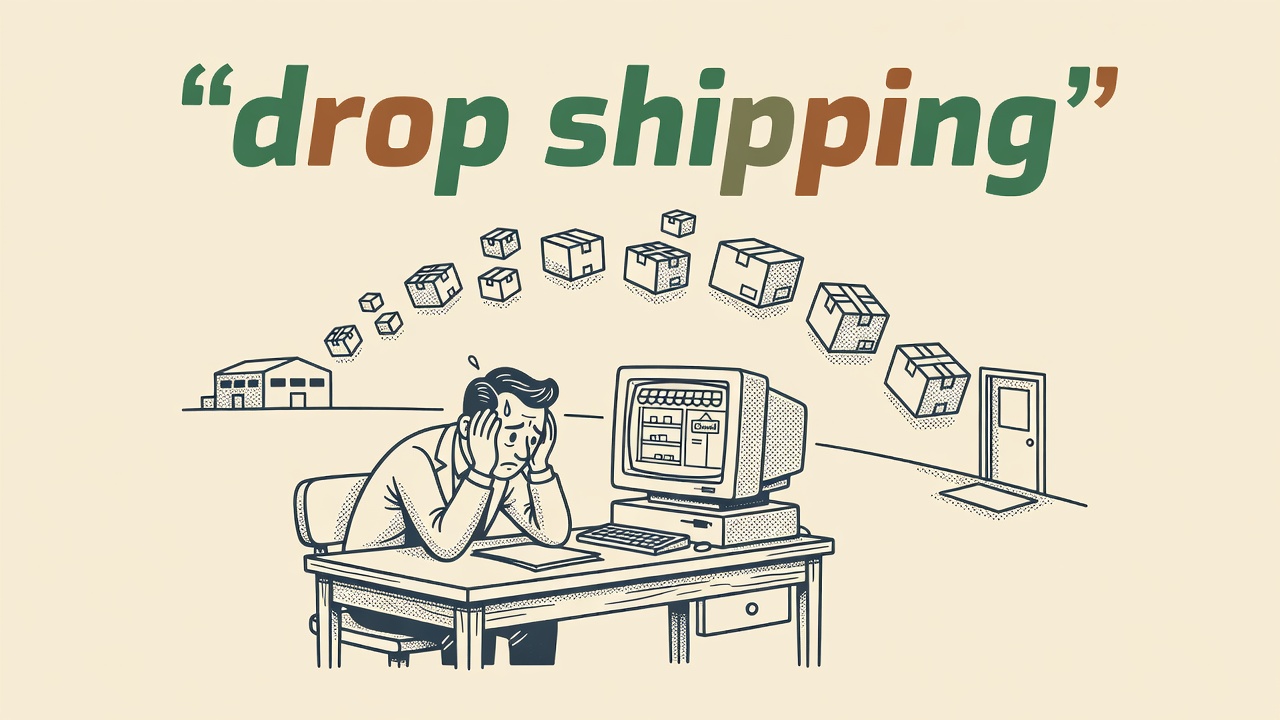
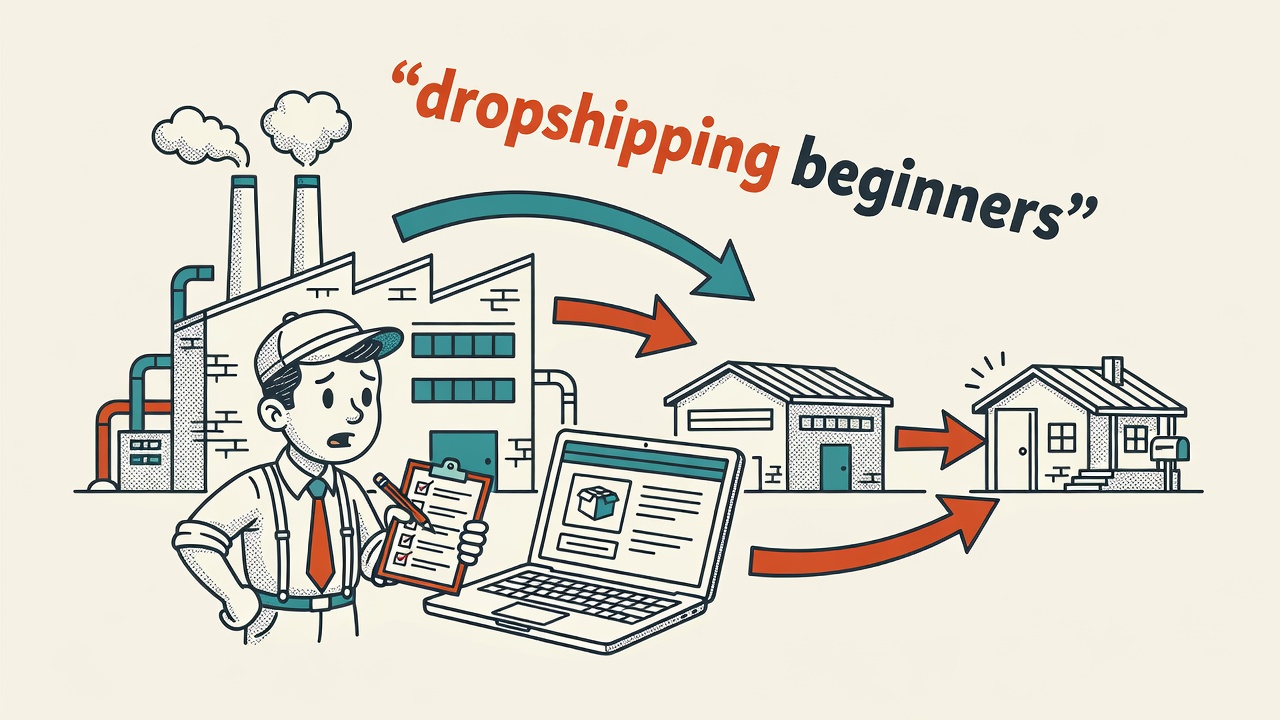
Dropshipping is a retail fulfillment model where a seller lists products without holding inventory. When a customer orders, the supplier ships directly to the buyer, and the seller earns the difference between supplier cost and retail price. The seller never handles the goods.
The common pitch is that no stock equals no risk. That is incomplete. When a shipment arrives late, broken, or not at all, the seller is the face the customer sees. The supplier is invisible to the buyer. Platforms like Shopify and WooCommerce connect you to tools such as DSers, AutoDS, and Spocket that automate order routing, but automation does not absorb the dispute that follows a bad delivery.
For most beginners, the real answer comes down to a single question: how well do you know your supplier? Sellers who test products before scaling, document lead times, and keep backup suppliers face a manageable set of problems. Those who list hundreds of products from unverified sources and run ads before confirming quality face a much harder path.
The Biggest Financial Risks and What You Can Actually Lose
The financial risks of dropshipping are real even though upfront inventory cost is low. Beginners typically spend on a Shopify or WooCommerce subscription, a domain, product samples, and an advertising budget before a single sale lands. That starting spend is often modest compared to traditional retail, but it is not zero, and it disappears permanently if the product does not convert or the supplier disappoints.
Paid advertising is where most early losses occur. Running Meta ads or TikTok ads to test a product before confirming supplier reliability means paying for traffic while risking your store’s reputation at the same time. Many beginners burn through a testing budget on a product with quality problems they never caught because they skipped ordering samples. A sample costs a few dollars; a wave of chargebacks costs far more and can close a payment account.
Gross margins in dropshipping can look attractive when you subtract only the supplier cost. Net margins are much thinner once you account for platform fees, payment processing, paid ads, refunds, chargebacks, and customer support time. Many sellers do not model all of these cost lines before choosing a price point, and then discover unprofitability months into operation. Build a spreadsheet that includes every cost line, including a realistic refund rate, before committing to any product.
Supplier Risks: The Hidden Threat to Your Reputation
Supplier risk is probably the most underestimated danger in dropshipping. When you depend on a single supplier for all orders, any disruption on their side becomes a disruption in your business. Stock can run out mid-campaign. Quality can fall between your sample order and the batch shipped to customers. Tracking updates can lag, leaving buyers with no visibility into where their package is.
Established sourcing platforms such as Spocket, CJdropshipping, and Zendrop publish supplier ratings and processing time estimates, which helps, but you still need to validate before scaling. Order samples, compare the product to listing photos, time the actual delivery, and contact the supplier with a support question to test response speed. Tools like 17TRACK let you monitor shipment status across multiple carriers once you are at volume.
Worth Knowing: Always identify at least two suppliers for any top-selling product before you scale ad spend. If your primary supplier runs out of stock or raises prices mid-campaign, a backup supplier means you keep fulfilling orders instead of issuing mass refunds and fielding chargebacks.
Inventory synchronization is a related problem. If a supplier sells out but your store still shows the item as available, you accept payment for orders you cannot fulfill. Tools like AutoDS and Inventory Source offer real-time stock syncing, which reduces this risk, but no sync is perfectly instantaneous. Write a clear out-of-stock policy before you need it, and communicate proactively rather than waiting for complaints.
Shipping Delays and Their Real Cost
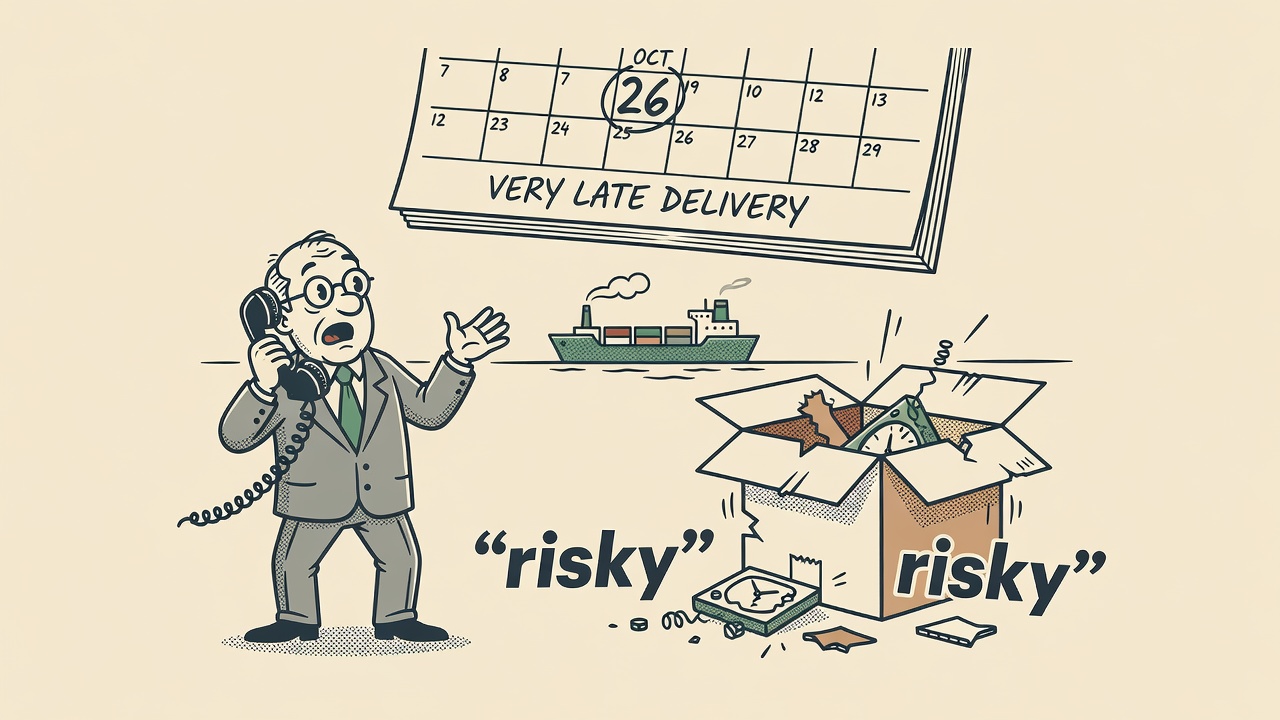
Long shipping times are one of the most visible dropshipping disadvantages, and their downstream consequences go beyond a frustrated customer email. A buyer who waits three weeks for an item listed with a five-to-seven day estimate will often open a dispute with their payment provider rather than wait for customer service to respond. Those disputes become chargebacks, which carry processing fees and, on platforms monitored by tools like Stripe Radar and PayPal Seller Protection, can trigger account-level risk flags if the rate climbs.
On marketplaces like Amazon, where dropshipping is permitted under a specific policy outlined in Amazon Seller Central, late shipment rates and order defect rates can lead to account suspension. An appeal process on a suspended marketplace account is time-consuming and uncertain. The better strategy is to set honest delivery windows in your store, choose suppliers with warehouse locations close to your primary customer base, and monitor fulfillment metrics weekly before problems compound.
Google Analytics 4 and Microsoft Clarity help you track where buyers drop off on your site, but for fulfillment health you need to watch your supplier’s actual dispatch and delivery data separately. Build a weekly review habit during your first months: check average fulfillment time, open dispute count, and refund rate every Monday so issues surface before they affect your standing on any selling platform.
How Risky Is Dropshipping for Beginners From a Legal Standpoint?
Legal exposure is an area many beginners overlook entirely. The U.S. Federal Trade Commission requires that advertising claims about products are truthful and substantiated, which means you are responsible for what your listings say even when the supplier wrote the original copy. If a product is marketed as certified to a safety standard, you need documentation to support that claim. The FTC’s guidance on advertising and endorsements applies to every seller regardless of fulfillment model.
Product safety liability is equally serious. The U.S. Consumer Product Safety Commission holds importers and sellers accountable for products that violate safety standards, and dropshippers sourcing goods from overseas manufacturers are effectively importers in the eyes of U.S. law. The CPSC guidance on importing products is worth reading before listing items in categories such as children’s products, electronics, personal care, or anything that could cause physical harm.
If you are asking how risky is dropshipping for beginners specifically about legal exposure, the answer is: it is real and product-category specific. The table below shows how risk varies by category so you can choose a safer starting point. Ratings reflect general practitioner experience across common product types and are not drawn from a formal study or regulatory framework.
| Product Category | Regulatory Risk | Quality Risk | Good for Beginners? |
|---|---|---|---|
| General home decor | Low | Low | Yes |
| Unbranded apparel | Low | Medium | Yes, with samples |
| Pet accessories | Low to medium | Low | Yes |
| Health and beauty | High | High | No |
| Consumer electronics | High | High | No |
| Children’s products | Very high | High | No |
Common Dropshipping Scams and How to Spot Them
Supplier scams are a genuine risk for beginners who have not yet learned to evaluate sourcing channels. The most common type is the paid supplier directory: a site that charges a monthly fee to access a list of supposedly vetted suppliers, many of whom are middlemen charging prices that leave no viable margin. Legitimate dropshipping supplier platforms exist, but the payment model matters. Any directory that charges a recurring fee for access without providing actual order infrastructure deserves hard scrutiny before you pay.
A second pattern involves fake supplier accounts on sourcing platforms. These often display fabricated order counts and reviews, send a good-quality sample, and then fulfill customer orders with a lower-quality version of the product. The gap between the sample you tested and what customers receive is exactly the kind of problem that generates chargebacks and platform warnings. Use Google Trends and the Meta Ads Library to confirm genuine market demand before committing to any supplier relationship at scale.
A third pattern is the overpriced dropshipping course that repackages freely available information behind an influencer brand. This drains the startup budget you need for product testing and early advertising. Free resources from Shopify’s help center and supplier documentation from CJdropshipping cover the practical mechanics at no cost. Put your budget into samples and small ad tests, not into courses that promise passive income.
Pro tip from Ronen Abudi, e-commerce and GEO specialist (ronenabudi.com): Before spending a dollar on ads, order two samples from each supplier: one shipped to your address and one to a friend at a different location. That two-point check catches quality inconsistency and real-world delivery time far more reliably than any platform rating or review count.
Quick Takeaways
- Dropshipping removes inventory risk but introduces supplier, legal, and financial risks that beginners must manage actively.
- Net margins are far thinner than gross margins once ads, platform fees, refunds, and chargebacks are included.
- Always order samples, time actual delivery, and secure a backup supplier before scaling any product.
- Product safety and advertising standards from the FTC and CPSC apply to every dropshipper regardless of where goods are manufactured.
- Paid supplier directories and fake sourcing accounts are the most common money-wasting traps for new sellers.
Frequently Asked Questions
- Does dropshipping have a high failure rate?
- A large share of beginners do not make it past their first few months, though outcomes vary widely by niche, product selection, and effort level. The primary culprits are unverified suppliers, ad budgets too small for meaningful testing, and margins that cannot absorb refunds. Sellers who run it as an active, managed business rather than a passive income scheme consistently fare better than those who do not.
- Can a dropshipper be held liable for a defective product?
- Under U.S. consumer protection and product safety rules, the seller bears responsibility for items they market and sell, even when a third party manufactured and shipped the goods. The CPSC treats overseas-sourced products sold to U.S. buyers as the importer’s obligation. Sellers should request supplier safety documentation and verify compliance standards before listing products in any regulated category.
- What are the most common scams targeting new dropshippers?
- Three patterns show up most often: paid supplier directories that charge recurring fees for low-quality contact lists, fake supplier accounts that send one good sample then ship inferior products to real customers, and overpriced training courses that repackage information available for free. Genuine wholesale suppliers charge for merchandise, not for the privilege of viewing their catalog.
- How do chargebacks affect dropshipping profitability?
- Every chargeback reverses the sale revenue and adds a processing fee on top, directly cutting into margin on that order. Payment processors and marketplaces track chargeback rates, and accounts exceeding threshold levels face freezes or closures. Shipping delays and product quality problems are the two most common triggers. Monitoring services like Stripe Radar send early alerts so you can identify and fix the root cause before the rate climbs.
- Is dropshipping worth it given all the risks?
- For sellers who approach it methodically, the model offers a lower financial floor than holding inventory, flexibility on product selection, and a genuine path to profitability with the right niche and supplier relationships. The risks are real but specific: choosing a high-regulatory product category, skipping supplier validation, or overspending on ads before proving market fit are the decisions that tip the balance from worthwhile to not worth it.