
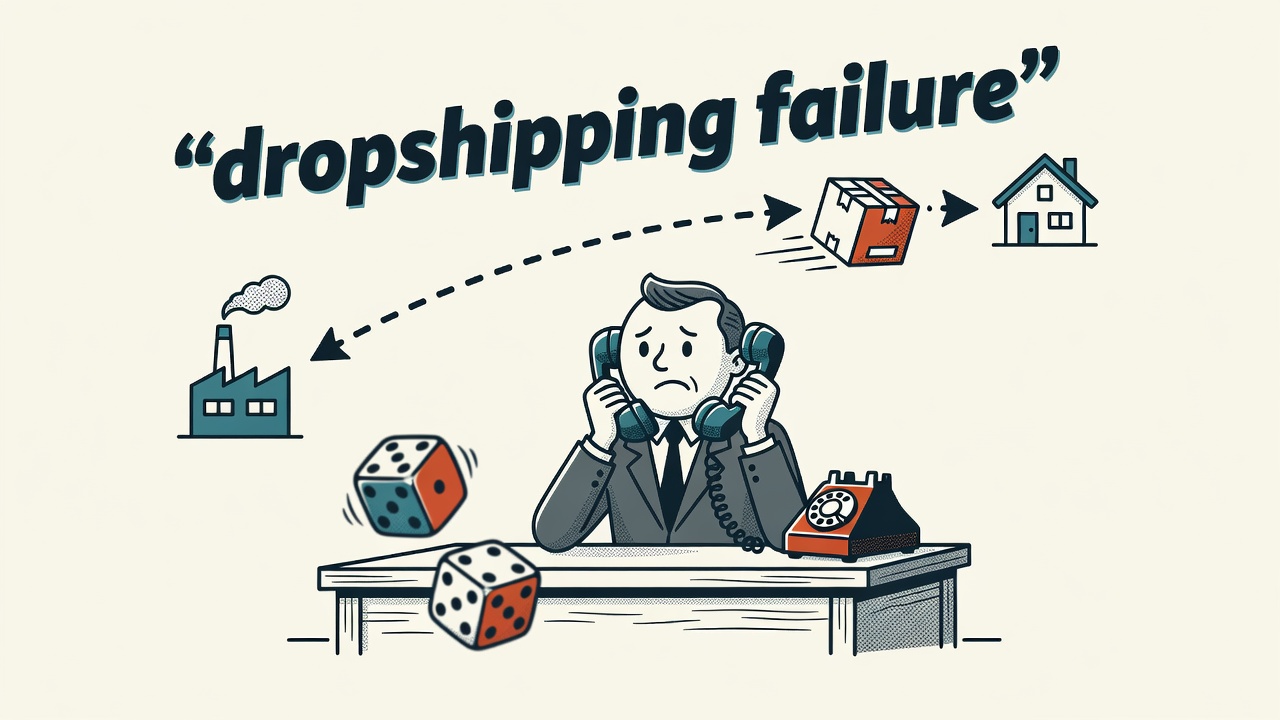
TL;DR: The dropshipping failure rate reaches 80% to 90% in year one, meaning most stores close before they break even. Failure follows predictable patterns: poor product selection, unsustainable ad costs, and supplier reliability issues that erode margins before any loyalty is built. Knowing these patterns before launching is the clearest preparation a new seller can make.
The dropshipping failure rate is consistently reported at 80% to 90% across independent research including Cirkle Studio, Carro, and Rovela (all 2026). Understanding where and why stores break down is the most practical preparation a new seller can do before committing time and ad budget.
Dropshipping Failure Rate: The Verified Numbers
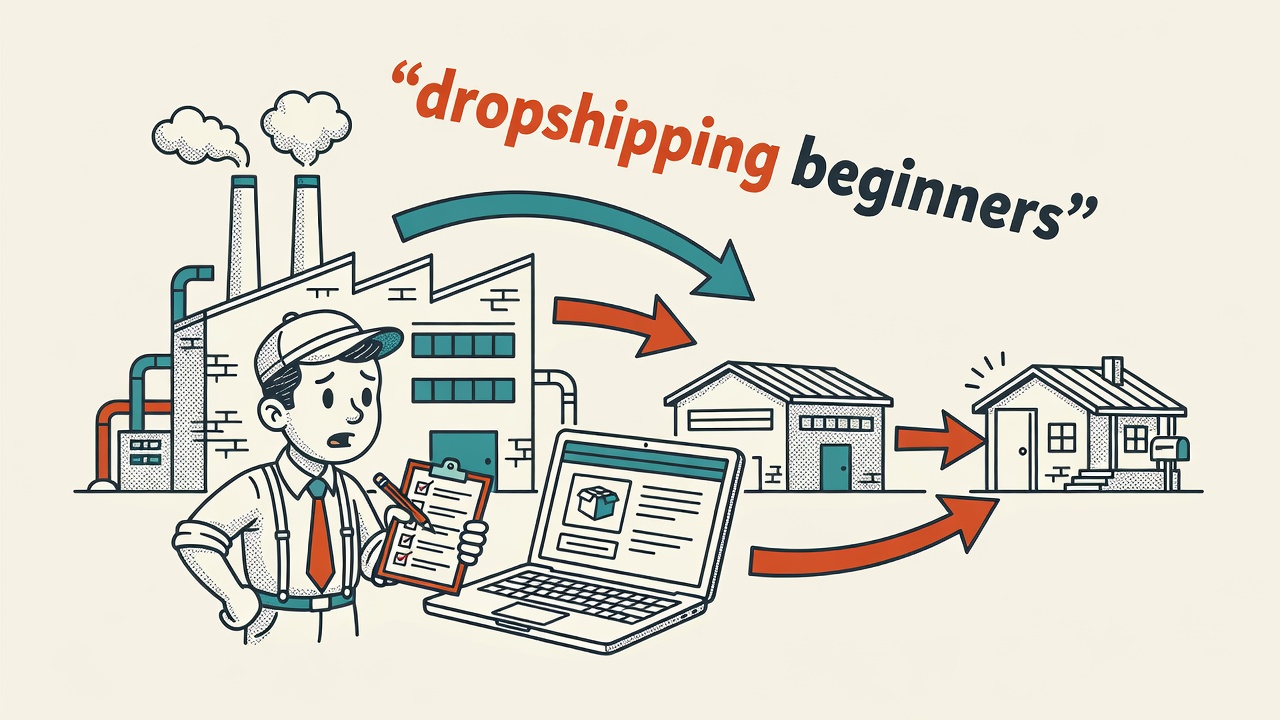
Only 10% to 20% of new dropshipping stores reach profitability after 12 months. That is the consistent finding from research by Cirkle Studio, Carro, Climb the Ladder, and Rovela (all 2026). Dropshipping is a retail fulfillment model where a seller takes customer orders without holding inventory, then forwards each order to a supplier who ships directly to the buyer. The low capital requirement draws a large and varied pool of entrants, and that pool size is a key reason the aggregate figures look as stark as they do.
SaleHoo (2026) notes that consistent long-term profitability applies to roughly the same 10% to 20% window. The convergence across independent sources gives the range real credibility, even though no single audited industry census underpins it.
These statistics count stores that started, ran for some measurable period, and either closed or remained unprofitable. Survivorship bias distorts perception heavily in this space: failed stores disappear without a trace while a handful of success stories generate outsized social media content. Newcomers who base expectations on income-highlight posts are comparing themselves against a narrow slice of outliers, not typical outcomes.
Dropshipping Failure Rate: What the Profitability Numbers Actually Mean
Reaching $50,000 in monthly revenue applies to just 1.5% of all dropshipping stores, according to Printful (2026). Treating that as a near-term goal leads new sellers to scale ad spend before unit economics are proven, which accelerates losses rather than growth.
First-month profitability is also different from sustained profitability. Supply chain instability, new competitors testing identical products, and rising customer acquisition costs routinely erode margins within a few months of a store’s first profitable period. Stores that maintain profitability past year two generally share one trait: they built an email audience, a brand story, or a supplier relationship that’s not easily replicated by the next seller entering their niche.
What the figures don’t capture is how many of the profitable minority stall within their first or second year. Product saturation commonly hits stores at the six-to-twelve month mark, when a winning product attracts competitors running the same ads to the same audience. Building a durable operation means having a pipeline of new products ready before the current one saturates, not waiting until margin compression forces a pivot.
Worth Knowing: The published failure statistics pool stores that ran actively for a full year alongside stores abandoned after a week with no traffic. The headline failure figure includes anyone who registered a platform account and never published a single product. Committed operators who actively test products, vet suppliers, and run paid or organic traffic represent a much smaller and more selective group than the aggregate number implies.
Dropshipping Failure Rate: The Biggest Causes of Store Closure
Weak product selection is where most dropshipping failures begin. Sellers choose products based on what looks popular in a research tool rather than on demand signals with real purchase intent, and margin analysis gets skipped entirely. A product with high search volume can still have terrible unit economics once cost of goods, shipping, and ad spend are counted. Margins collapse before the first profitable month arrives.
High advertising costs compound the problem quickly. Most dropshipping stores depend on paid social traffic, and customer acquisition costs on Meta and TikTok have risen sharply over recent years. Stores without a differentiated product or brand story compete purely on price and lose to the next seller running the same product. Supplier problems add a third layer: delayed shipments, inconsistent product quality, and sudden stockouts are leading operational causes of early closure, according to Dropship.io. How many dropshippers fail because of supplier issues specifically is hard to isolate, but supplier-driven refunds and chargebacks appear consistently in the post-mortems of stores that closed.
Poor execution on fundamentals rounds out the failure picture. Unoptimized product pages, no post-purchase email sequence, and no plan to generate repeat buyers mean a store burns paid traffic budget without building any durable asset. A store that can’t convert paid traffic profitably and has no list or return customer base is spending money every day it stays open without improving its position. Most sellers exit before addressing any of these problems.
Pro tip from Ronen Abudi, e-commerce and GEO specialist (ronenabudi.com): Before launching paid ads on any new dropshipping product, run a quick organic test first. A handful of TikTok or Instagram Reels showing the product costs nothing and takes two to three days. If organic content with genuine reach doesn’t spark any interest, paid traffic will not rescue it.
How the Dropshipping Failure Rate Compares With Other Ecommerce Models
Dropshipping carries a higher failure rate than private label or wholesale because the low barrier to entry brings in more sellers who haven’t validated demand or built supplier relationships. Private label sellers are forced to vet suppliers and commit to minimum order runs before any ad money is spent, which creates a natural preparation filter.
| Model | Startup cost | Margin potential | Inventory control | Primary failure driver |
|---|---|---|---|---|
| Dropshipping | Low | Thin, niche-dependent | None | Ad costs, supplier reliability |
| Private label | Medium to high | Higher with brand equity | Full | Manufacturing defects, tied-up capital |
| Wholesale reselling | Medium | Moderate | Partial | Excess stock, slow inventory turns |
| Retail arbitrage | Low to medium | Varies widely | Full | Sourcing consistency, time cost |
The tradeoff is straightforward: dropshipping’s low entry cost lets anyone try, and most people who try without structured preparation fail quickly. Private label and wholesale require financial commitment that pushes sellers toward more disciplined research from the start. Neither model guarantees success, but the risk profile of dropshipping is shaped by how easily it can be launched without a real business plan behind it.
Dropshipping Failure Rate in the First Six Months
Early dropshipping failures tend to cluster in the first few months of operation, making the early failure rate steeper than the annual figures suggest. A new seller launches a store, runs a first paid campaign with poor returns, and exits before reaching the point where real optimization becomes possible.
The early failure pattern is driven by a combination of unrealistic expectations and undercapitalization. Many new dropshippers expect profitability within the first few weeks. When that doesn’t happen, they stop funding the store rather than diagnosing what needs to change. Tools like DSers, Spocket, and SaleHoo simplify supplier connections and product sourcing, but they don’t replace the strategic work: niche research, a defined target audience, and a realistic customer acquisition cost model built before the first ad dollar is spent.
Stores that survive past the six-month mark typically share one of two traits. Either they found a product that converts with organic or low-cost traffic before committing to paid channels, or they had enough capital and patience to iterate through several losing campaigns before landing on a profitable angle. Both outcomes are achievable, but neither happens without a structured testing process and a willingness to cut products that don’t convert.
Beating the Dropshipping Failure Rate: What the Profitable 10% Does Differently
Stores that reach consistent profitability validate product demand before spending on ads, using autocomplete keyword research, competitor product page analysis, and small-batch organic content tests. They choose suppliers vetted through platforms like Spocket or SaleHoo with documented shipping times and return policies, rather than defaulting to the cheapest option on a generic marketplace.
They also build retention from the first sale. A post-purchase email sequence, a clear return policy, and a simple upsell flow cost almost nothing to set up but materially improve customer lifetime value. A store with a meaningful repeat-purchase rate operates on very different unit economics than one that acquires every buyer through paid traffic. Some operators use tools like Carro for multi-vendor product expansion once a core store is profitable, reducing the need to build entirely new supplier relationships from scratch.
Finally, the stores that survive track the right numbers from day one: cost per acquisition, gross margin per order, and average order value against landed cost. A store that watches only revenue without understanding per-order margin can appear to be growing while losing money on every transaction. Catching that pattern early, before ad spend compounds the damage, separates stores that pivot and survive from those that run out of cash without understanding why.
Quick Takeaways on the Dropshipping Failure Rate
- Most store closures happen early in the first year, typically because sellers stop funding an unprofitable store rather than diagnosing what needs to change.
- The three core failure drivers are weak product selection, unsustainable paid-traffic costs, and supplier problems that damage customer experience before loyalty is built.
- Running an organic content test before committing to paid ads is the lowest-cost way to confirm whether a product has genuine purchase intent.
- Gross margin per order, not revenue, is the metric most likely to reveal a store that is losing money while appearing to grow.
- Building an email audience from the first sale reduces paid acquisition dependence and changes the long-term unit economics of a dropshipping store.
Dropshipping Failure Rate: Frequently Asked Questions
- How many dropshippers fail in the first year?
- Research from Cirkle Studio and Rovela (both 2026) puts the first-year dropshipping failure rate at 80% to 90%. That means roughly eight or nine out of every ten new stores close or remain unprofitable within 12 months. Thin margins, high customer acquisition costs, and poor product selection are the most common causes identified across these studies.
- What percentage of dropshipping stores reach consistent profitability?
- SaleHoo and Carro (both 2026) put consistent long-term profitability at around 10% to 20% of stores. Holding that profitability past the first year is harder still, because rising ad costs and copycat competition erode margins unless the store has built an email audience, brand recognition, or a supplier advantage that competitors can’t easily replicate.
- Is there a verified official source for dropshipping failure rate statistics?
- No single audited census tracks these figures across all dropshipping stores with standardized methodology. The 80% to 90% failure estimate appears consistently across independent 2026 publications including Cirkle Studio, Carro, and Rovela, which adds practical credibility. Sellers should treat the range as a reliable directional benchmark rather than a precisely audited figure from one authoritative body.
- Why do most dropshipping businesses fail?
- The three most common failure paths are choosing products whose margins can’t survive advertising costs, relying on a single paid channel without brand differentiation, and working with suppliers whose delivery times or quality undermine customer trust. These weaknesses reinforce each other: thin margins leave no room to absorb supplier problems, and supplier failures accelerate churn in an already fragile retention model.
- How many dropshipping stores make more than $50,000 per month?
- Printful (2026) reports that only 1.5% of dropshipping stores exceed $50,000 in monthly revenue. Reaching that threshold requires a proven product with healthy margins, a scalable acquisition channel, and systems that maintain profitability as order volume grows. For a well-prepared operator it’s a real goal, but it sits well outside the typical first-year experience for most new sellers.