
TL;DR: The question most new sellers ask: do I need an LLC for an online store before my first sale? No platform requires one. Shopify, Amazon, and Etsy all accept sole proprietors. The real question is risk: without an LLC, a product liability claim, a supplier dispute, or a chargeback that escalates is also a personal debt, with nothing protecting your savings. Many sellers start as sole proprietors to test the model, then form an LLC once income is consistent.
No platform requires an LLC to open a seller account. Shopify, Amazon Seller Central, and Etsy all accept sole proprietors using a Social Security number, a personal bank account, and a credit card. Your first sale doesn’t require any business entity.
Individual seller accounts are welcome across all three platforms. Payment systems work fine with personal accounts, and most small handmade shops operate without a formal entity for years. As a shop grows into wholesale accounts, licensed designs, or hired help, forming an LLC becomes a practical next step rather than an optional one.
State LLC filing fees range from roughly $50 in low-fee states to $500 in higher-fee states like Massachusetts, with most states landing between $100 and $200 per their secretary of state fee schedule. Beyond that one-time filing cost, most states also require annual report filings that typically run $50-$200 per year, and sellers who use a registered agent service often add another $100-$300 annually. Those ongoing costs are still manageable once a business is generating revenue, which is why many sellers form an LLC after the business model is confirmed rather than before the first sale. The question of do I need an LLC for an online store tends to answer itself once personal exposure moves from theoretical to real.
What Liability Does an LLC Actually Protect in Ecommerce?
An LLC creates a legal boundary between your business obligations and your personal finances. If a customer sues over a defective product and the LLC is properly maintained, that dispute stays within the business entity, not your personal savings or home.
Without any entity, every business debt is also a personal debt. A supplier contract dispute, a chargeback that escalates to arbitration, a trademark complaint from a brand owner, or a state penalty for a missed tax registration each become a direct personal liability. As a sole proprietor, no entity boundary exists between the debt and your personal assets.
Ecommerce sellers face a specific set of liability scenarios that make this concrete. Product liability claims from buyers injured by something you sold, payment processor holds that convert to debts, intellectual property complaints over product images or store names, and customer data incidents can each trigger costs and legal action that a sole proprietor carries entirely alone. Any one of these can produce a legal bill that dwarfs a year of profit for a small store.
Worth Knowing: The corporate veil only protects you if you treat the LLC as genuinely separate from your personal finances. Open a dedicated business bank account the day the LLC is formed, never pay personal expenses from it, and document every owner draw in writing. Mixing personal and business funds is one of the most common reasons a court pierces the veil and restores personal liability to the owner.
Do I Need an LLC Before Starting a Dropshipping Store?
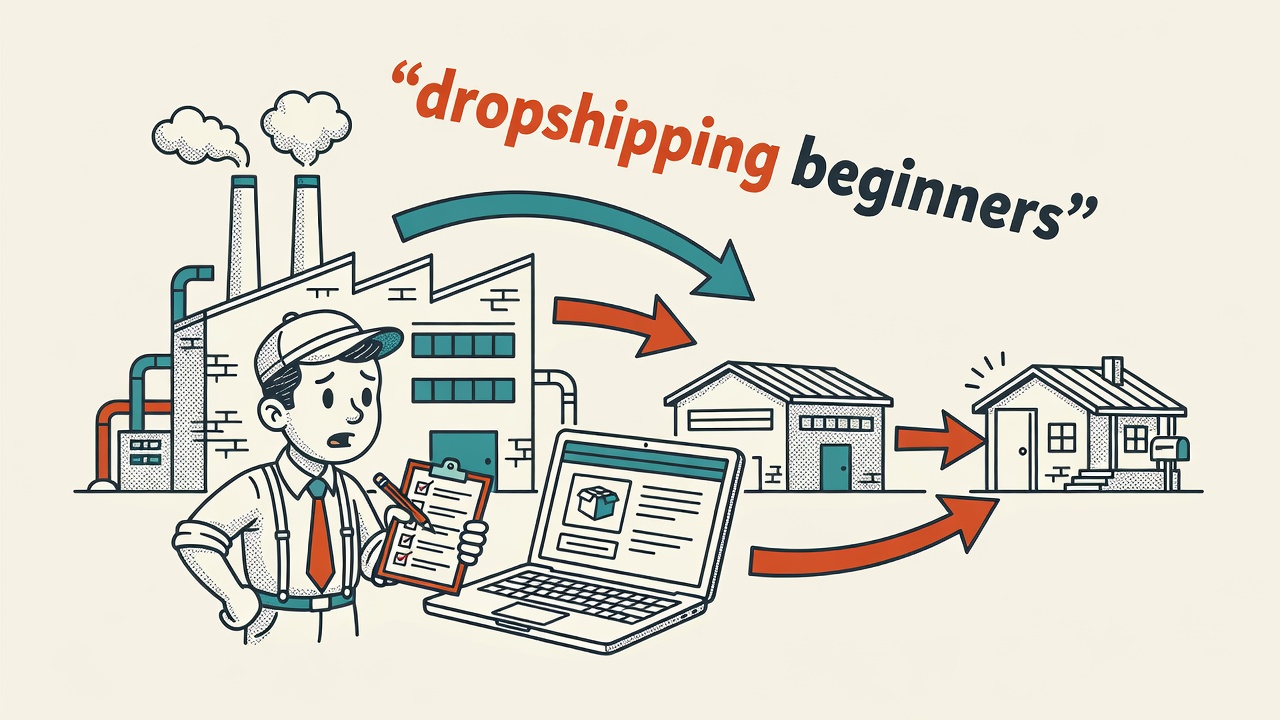
No, and many first-time sellers start exactly that way. Most dropshipping suppliers accept sole proprietors, though some wholesale directories ask for a reseller certificate or a business license rather than LLC status. Those are separate requirements and can be met without forming an LLC first.
The liability question still applies, and it matters more in dropshipping than many sellers expect. When you run a dropshipping store, you’re the merchant of record to the buyer, regardless of who ships the product. If a supplier sends a defective or dangerous item and a buyer is harmed, the complaint targets your store first. Operating without an LLC means any resulting legal costs fall directly on your personal finances.
A practical path many experienced dropshippers follow: start as a sole proprietor while validating the niche and the revenue model, then form an LLC once income is consistent. By that point, state filing fees are easy to absorb, regular supplier relationships are in place, and the personal downside of operating without one is no longer abstract.
Pro tip from Ronen Abudi, e-commerce and GEO specialist (ronenabudi.com): Form your LLC before signing any supplier contract or wholesale agreement. Many wholesale directories and net-30 vendors run a basic credibility check, and an LLC registered with your state signals permanence in a way a sole proprietorship typically does not. It can shorten the path to better payment terms and preferred pricing tiers.
Do I Need an LLC to Change How My Online Store Is Taxed?
No. A single-member LLC is taxed identically to a sole proprietorship by default, which surprises many new sellers. The LLC itself files no separate federal return, income still goes on your Schedule C, and self-employment tax still applies at 15.3% on net profit per IRS Schedule SE. Forming an LLC alone does not reduce your tax bill.
That means net profit is taxed at your personal income rate, not a corporate rate. The self-employment tax covers both the employee and employer sides of Social Security and Medicare. There is no separate business return to file.
The tax structure only changes if you formally elect S-corp status, which makes sense at a profit level your accountant will identify based on your specific numbers. With an S-corp election, salary and distributions split differently, which can reduce self-employment tax exposure once profit is high enough to justify the added accounting costs. One obligation that catches sole proprietors off guard: the IRS expects quarterly estimated payments four times a year, with deadlines on April 15, June 15, September 15, and January 15. Missing them results in underpayment penalties. Beyond income tax, most online sellers owe sales tax in states where they reach economic nexus thresholds, which most states adopted at $100,000 in annual sales or 200 transactions following the South Dakota v. Wayfair (2018) Supreme Court ruling. A service like TaxJar automates multi-state sales tax calculations.
Business Licenses and Other Requirements That Still Apply
Forming an LLC does not cover every compliance requirement. An LLC is a state-level legal entity registration. It does not authorize you to operate commercially in your city, does not register you to collect sales tax, and does not cover any product-specific permits your category requires.
Depending on your location and what you sell, you may also need a general business license from your city or county, a seller’s permit (required in most US states before you legally collect sales tax from buyers), a DBA (“doing business as”) filing if your store trades under a name different from the LLC’s registered legal name, and regulated-category permits for products like supplements, food, cosmetics, or electronics with specific certifications. The SBA’s licenses and permits guide maps requirements by industry and state and is a reliable free starting point.
Sellers who ask do I need an LLC for an online store often find that the EIN, the seller’s permit, and a dedicated business bank account are the three practical follow-on steps regardless of whether the LLC comes first or later. The EIN is free at IRS.gov, takes about five minutes, keeps your SSN off vendor applications, and is required the moment you hire anyone or open a business account at most financial institutions.
Quick Takeaways
- No platform (Shopify, Amazon, Etsy) requires an LLC to open a seller account; sole proprietors are accepted across all three.
- Without an LLC, business debts and legal judgments are also personal debts, with nothing between them and your savings.
- The corporate veil only holds if business and personal finances are kept strictly separate from the day the LLC is formed.
- An LLC does not replace a city business license, a seller’s permit, or any product-specific permits your category requires.
- A free EIN from IRS.gov is worth getting early regardless of structure, to protect your SSN and satisfy most business banking requirements.
| feature | Sole Proprietor | LLC |
|---|---|---|
| personal assets protected | – | ✓ |
| one-time filing cost | $0 | $50-$500 |
| business debt = personal debt | ✓ | – |
| platform account accepted | ✓ | ✓ |
| separate bank account required | – | ✓ |
Filing cost range per state secretary of state fee schedules; tax rates per IRS Schedule SE.
Frequently Asked Questions
- Is an LLC required before I make my first online sale?
- Nothing in Shopify, Amazon, or Etsy’s sign-up flow asks for LLC status. Most sellers launch as sole proprietors to confirm the market works, then register an LLC once sales are steady and the personal liability gap stops being theoretical. Waiting is common and carries no lasting penalty.
- Does selling on Amazon require an LLC?
- Amazon Seller Central does not require an LLC to register. You can open an account with a Social Security number, a bank account, and a credit card. Many experienced sellers form one anyway, particularly those in private label, because sourcing and scaling a catalog creates product liability exposure that a sole proprietorship offers no protection against if a claim arises.
- What taxes does a sole-proprietor online seller pay?
- Business profit flows to your personal income tax return via Schedule C and is subject to both income tax and self-employment tax at 15.3% per IRS Schedule SE, covering Social Security and Medicare. You may separately owe state sales tax in any state where your store crosses an economic nexus threshold. Quarterly estimated payments to the IRS are also required when no employer is withholding on your behalf throughout the year.
- Do I still need a business license after forming an LLC?
- Yes, in most cases. An LLC is a state-level entity filing that establishes your business as a legal person. A business license is an operating permit issued by your city or county, which is a separate process entirely. Most online sellers also need a seller’s permit from their state revenue agency to legally collect and remit sales tax, making it a third distinct registration.
- Can I use my Social Security number instead of an EIN for my online store?
- Legally, yes, both sole proprietors and single-member LLC owners may use an SSN for federal tax purposes. Practically, applying for a free EIN at IRS.gov is worth doing early. Most business banks require an EIN to open a dedicated account, many wholesale suppliers prefer it over a personal SSN, and you’ll need one the moment you hire any employee or independent contractor.