
Dropshipping explained simply: you run the store, your supplier ships the product. There’s no inventory to buy upfront, but margins are thin and competition is real. Niche focus, supplier vetting, and a real marketing budget are what make it work, not the fulfillment shortcut itself.
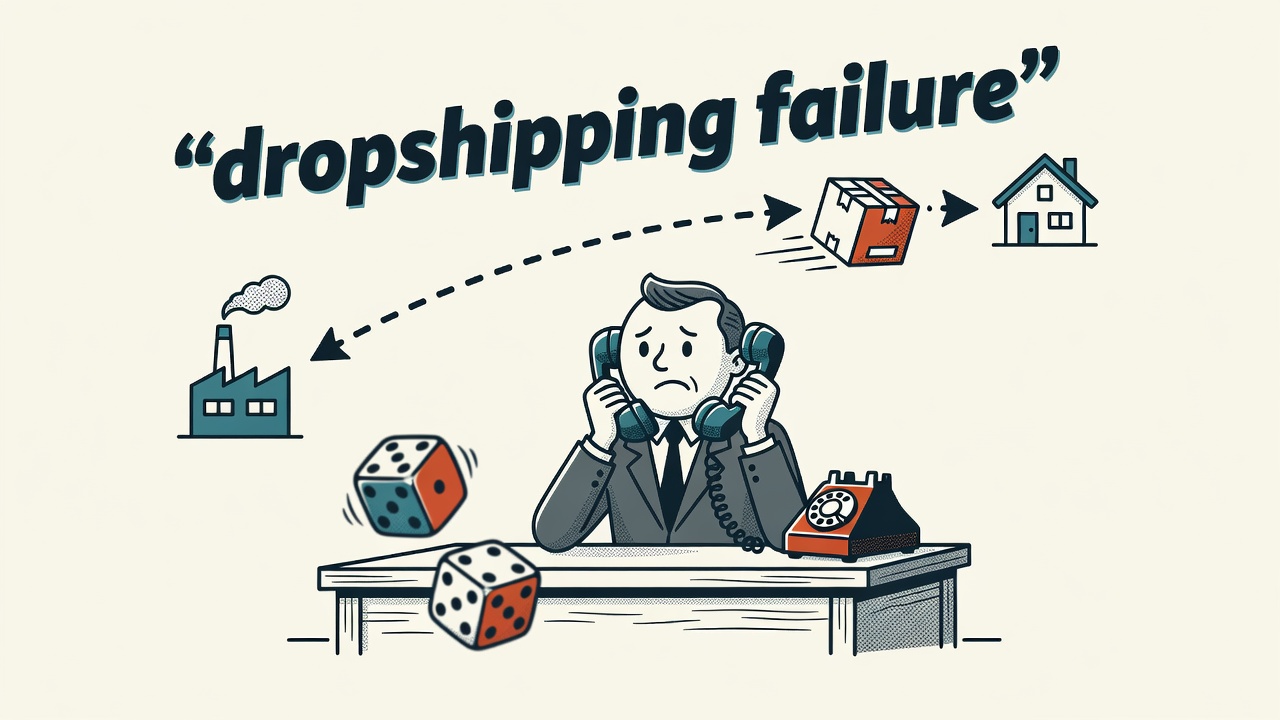
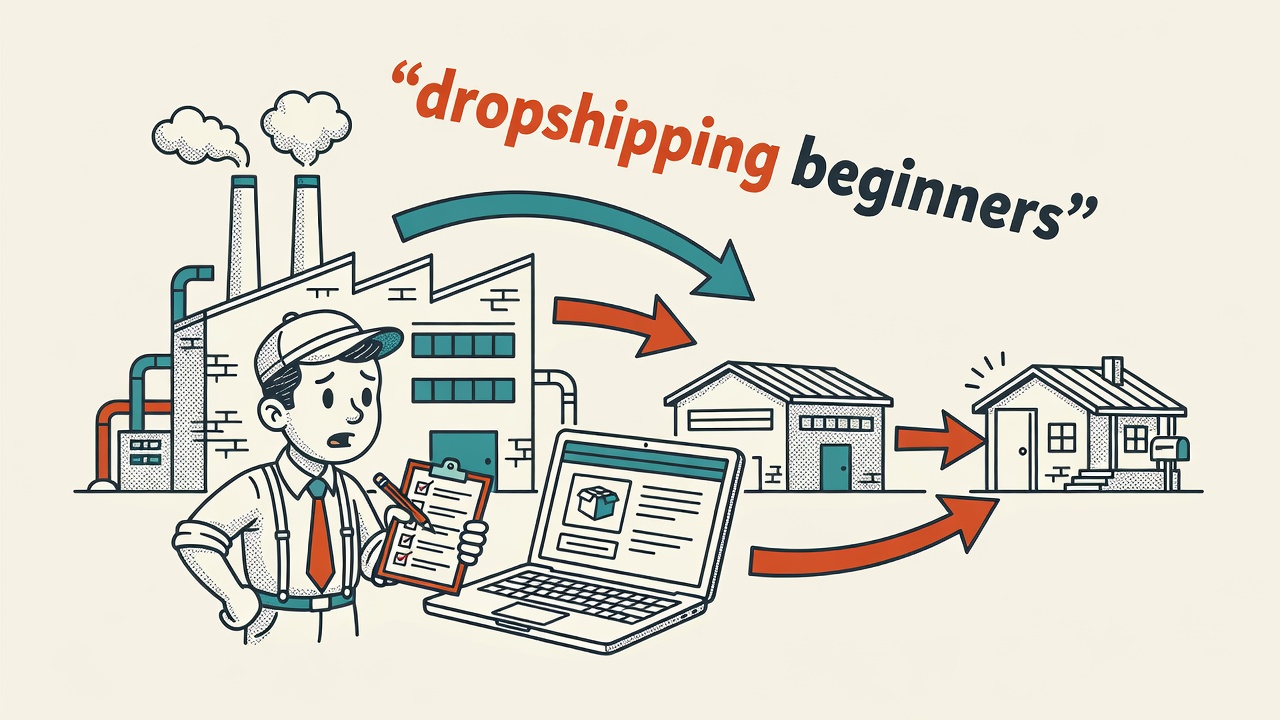
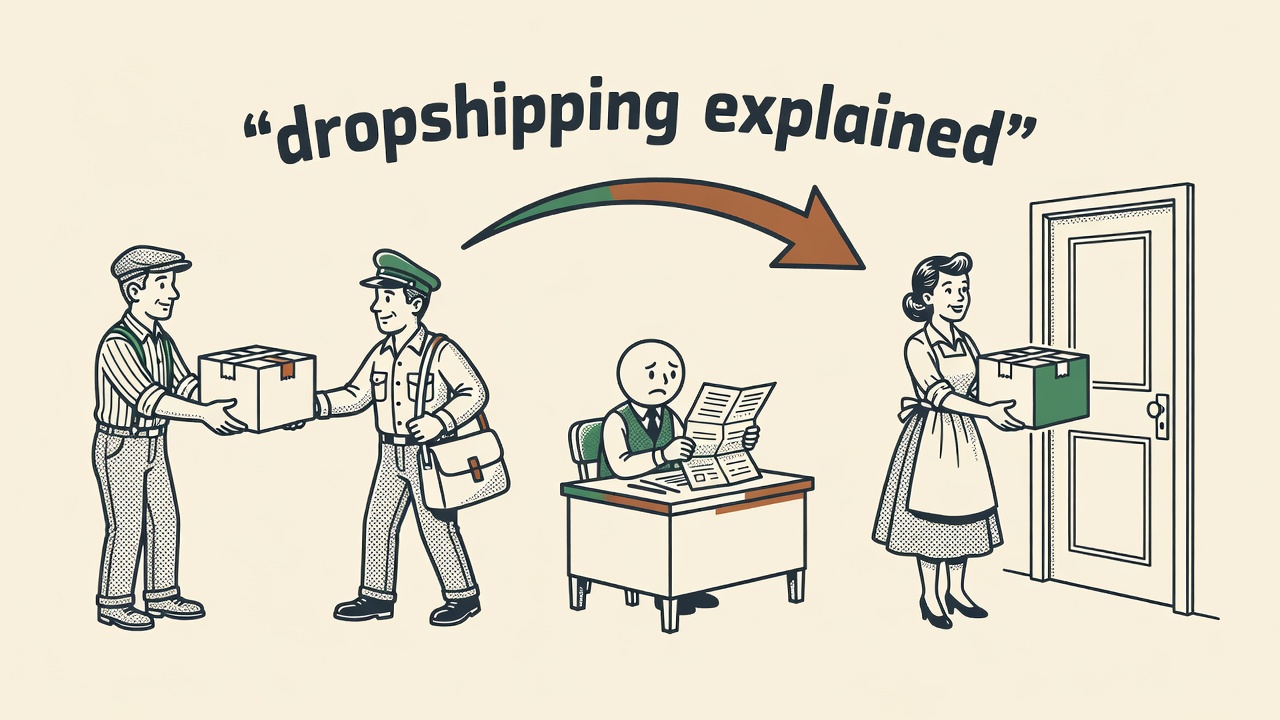
Dropshipping is a fulfillment method where your store sells products and your supplier ships them directly to the buyer. You carry no inventory and make no upfront product purchase. Your margin is the gap between what the supplier charges and what your customer pays.
When a customer places an order, you forward it to your supplier with the customer’s shipping address. The supplier packs and ships the item, often without your store’s branding unless you’ve arranged a private label or custom packaging agreement. The buyer receives the product as if it came from you, and in most cases has no idea a third-party supplier was involved.
This arrangement makes dropshipping accessible. You don’t need a warehouse, a manufacturing partner, or large starting capital. But accessibility cuts both ways. Low barriers to entry mean high competition. Many suppliers now sell directly to consumers on large marketplaces at prices a dropshipping store can’t match without losing money. The sellers who build something durable focus on what the supplier can’t do for them: branding, content, customer retention, and a buying experience that gives shoppers a reason to return.
Dropshipping Explained: How to Find and Vet Suppliers
The right supplier is reliable, communicative, and treats your customers the same way they’d treat any direct retail buyer. Vetting before you commit is the most important step in the process.
Supplier directories like SaleHoo and Worldwide Brands list vetted wholesalers and dropship partners, which narrows the field and filters out many unverified middlemen. Still, go through your own vetting process for every supplier you seriously consider. Ask specifically how they handle stockouts, damaged shipments, and returns before you commit. A supplier who has clear answers to those questions has dealt with them before and knows what they’re doing.
Pro tip from Ronen Abudi, e-commerce and GEO specialist (ronenabudi.com): Place three test orders with any new supplier spread over two to three weeks before you go live. A supplier who delivers consistently across multiple orders is ready for your store. One fast shipment followed by two slow ones is a warning, not an anomaly to overlook.
Returns are where supplier relationships get complicated. Your store’s return policy needs to match what your supplier will actually accept. For low-cost items, the math often favors issuing a direct refund rather than requiring a physical return, because the cost of return shipping can exceed the supplier’s wholesale price for the item. Know your supplier’s policy before your first customer asks about it.
Many dropshipping suppliers also sell the same products directly on Amazon, Walmart, and other large marketplaces. Before committing to a niche and a supplier, search for your planned products on those platforms. If your supplier already lists them at prices you can’t beat after accounting for your fees and ad spend, you need a different angle, a different supplier, or both.
Dropshipping Explained: Choosing Products and Pricing That Hold a Margin
The best products for a dropshipping store are durable in transit, priced high enough to support a margin after supplier cost and platform fees, and specific enough to attract a defined buyer.
Fragile items, products with complex size variations, and anything a buyer can get next-day from a large marketplace with a single click are difficult to build a profitable dropshipping business around. The convenience that makes dropshipping easy to start, selling products you don’t manufacture or warehouse, is also what makes undifferentiated product selection a losing strategy. If any store can list the same item, price is the only lever, and that’s a race you don’t want to run.
Niches with engaged buyer communities tend to outperform general merchandise stores. Pet owners, hobbyists, home decorators, and outdoor enthusiasts look for products made for them and are willing to pay a modest premium for a store that speaks their language. A well-positioned niche store competes on relevance rather than price, which is a more defensible position than undercutting on a product anyone else can list too.
On pricing: your margin calculation needs to cover platform subscription fees, payment processing costs per transaction, ad spend per order acquired, and your supplier cost. What remains is your profit per sale. Many experienced dropshippers use a 2x markup on supplier cost as a minimum floor before listing a product, though the right ratio depends on your niche and your customer acquisition cost. Run the numbers before you list, not after you see your first sales report.
Dropshipping Explained: Startup Costs, Legal Steps, and What to Expect in 2026
Starting a dropshipping store costs less than traditional retail, but it’s not free. Budget for a platform subscription, a domain name, supplier sample orders, initial product photography, and paid ad testing before you expect your first sale.
A few hundred dollars gets a store to the point where you can test whether your products and positioning actually convert. Sellers who skip the ad budget often build stores they can’t get in front of buyers. Product photography matters too: supplier stock images are the same images every other store selling that product uses. Original photos, even simple ones, give your listing a reason to be chosen over an identical one on a competing store.
On the legal side, you need a registered business entity, a business bank account, and clarity on your tax obligations. The U.S. Small Business Administration’s registration guide walks you through entity type choices and state-specific steps. Your federal tax obligations include income tax on profit and potentially self-employment tax. Sales tax collection rules became significantly more complex for online sellers after the Supreme Court’s 2018 ruling in South Dakota v. Wayfair, which expanded economic nexus obligations across state lines. Confirm what applies to your situation with a tax professional before your first sale.
Dropshipping is still a workable ecommerce model in 2026. The barrier to entry is low, which means competition is high. A focused niche, strong branding, and customer retention matter more than ever for maintaining margin. Shipping resources for small businesses can help you compare domestic versus overseas supplier options on speed and cost.
Dropshipping Explained: What Separates the Stores That Last
Profitable dropshipping stores share a pattern: they treat the model as a fulfillment shortcut, not a business strategy, and build everything else themselves.
Branding is the most obvious differentiator. Two stores selling the same product from the same supplier won’t perform the same if one has original copy, a consistent visual identity, and a clear point of view, while the other uses supplier stock photos and generic descriptions. Buyers notice. Search engines notice too. Original content earns rankings and trust that copied supplier descriptions never will.
Customer retention is where the math changes for the better. Acquiring a customer through paid ads carries a real cost per order. That cost is justified when the customer buys again. Email is the most cost-effective retention channel for most dropshipping stores: a post-purchase sequence that checks in after delivery, asks for a review, and follows up with relevant product recommendations costs nothing per send and drives repeat purchases that don’t need another ad click to generate.
Some stores move to private label arrangements with their suppliers once they’ve validated a product market. Private labeling means the product ships with your brand name on the packaging rather than the supplier’s. It requires higher minimum order quantities in most cases, but it removes your product from direct price comparison with every other store listing the same item. That’s a meaningful competitive position to build toward, and it starts with understanding the supplier relationship well enough to ask for it. Dropshipping explained for new online sellers is not a passive income system. It’s a fulfillment method, and what you build around it determines whether it works.
Dropshipping Explained: Quick Takeaways
- Dropshipping is a fulfillment method, not a business strategy. Niche selection, branding, and marketing are still entirely your responsibility.
- Your supplier controls product quality, packaging, and shipping speed. Vet them with real sample orders before listing anything for sale.
- Margins are thinner in dropshipping than in bulk wholesale. Build your pricing to cover platform fees, payment processing, and ad spend before deciding a product is profitable.
- You need a registered business entity and an understanding of your sales tax obligations from day one, not as an afterthought.
- Niche stores outperform general catalogs. A store built for a specific buyer converts better and earns more repeat purchases than one selling generic products to no particular audience.
Dropshipping Explained: Frequently Asked Questions
- How much money do you need to start a dropshipping business?
- A realistic starting budget for a dropshipping store is a few hundred dollars, covering a platform subscription, domain name, supplier sample orders to verify product quality, and initial paid ad spend to test whether your products attract buyers. Attempting to start with no budget is possible but limits your ability to test and market effectively, which significantly extends the time before your first profitable sale.
- What are the legal requirements for a dropshipping business?
- A dropshipping business requires a registered business entity, a dedicated business bank account, and compliance with tax obligations in your jurisdiction. In the United States, sales tax collection depends on where your customers are located and whether you have economic nexus in those states, a standard that expanded significantly after the 2018 South Dakota v. Wayfair Supreme Court ruling. Consult a tax professional before your first sale to confirm what applies to your situation.
- What types of products sell best in a dropshipping store?
- Products that perform well in dropshipping are durable in shipping, priced high enough to support a margin after fees, and targeted at buyers with specific interests rather than general shoppers. Niches like pet accessories, hobby supplies, home decor, and specialized tools tend to support stronger margins and customer loyalty because buyers are looking for something specific and are less focused on finding the lowest possible price.
- Is dropshipping still profitable in 2026?
- Dropshipping remains viable in 2026 for sellers who build a recognizable brand, choose a specific niche, and invest in customer retention through email and repeat-purchase incentives. The challenge is that many suppliers now sell directly to consumers on large marketplaces, increasing competition for dropshippers who compete on product availability alone. Stores that differentiate through original content, branded packaging, and strong customer relationships are better positioned to maintain profitable margins.
- How do returns and refunds work in a dropshipping business?
- In dropshipping, your store handles return requests from customers while the supplier manages the physical product. Your return policy must align with what your supplier allows, since you cannot accept a return they will not process on their end. For lower-cost items, many dropshippers issue a direct refund rather than requiring a physical return, because the cost of return shipping often exceeds the supplier’s wholesale price for the item.