
TL;DR: Selling online successfully follows a clear sequence: pick a product and niche, validate demand before spending money, choose a sales channel, set up payments and shipping, write listings that convert, and build consistent traffic. Start with one product, learn from real buyers, and scale what works.
This beginner’s guide to selling products online breaks a complex-seeming process into concrete, ordered steps so you always know what to do next. Selling products online is the practice of listing and transacting physical or digital goods through internet-based platforms, whether a marketplace like Amazon or a store you build and own. The fundamentals are the same regardless of platform: find the right product, put it in front of the right buyers, and deliver a smooth experience that earns repeat business.
Start With Product and Niche Selection
Before anything else, choose what to sell and to whom. A focused niche, a specific category of buyer with a shared need, gives you a target for your marketing, a benchmark for your pricing, and a clear way to write product copy. Selling to everyone is a strategy that works for no one, and it is the first mistake most new sellers make.
Check demand before committing money. Browse bestseller lists on Amazon and Etsy, use Google Trends to confirm whether interest in your product idea is rising or flat, and read existing reviews to identify gaps. You are looking for consistent demand, manageable competition, and a selling price that leaves room for profit after platform fees, shipping, and your own time.
Test your idea before buying inventory. A simple landing page with a pre-order option, a poll in a relevant online community, or listing a small batch to measure sell-through rate all cost very little. This beginner’s guide to selling products online keeps returning to validation because overcommitting to inventory no one wants is one of the most common and expensive early mistakes.
Marketplaces vs. Your Own Online Store
New sellers choose between two main channels: established marketplaces that bring built-in audiences, and owned stores that give full control over branding and customer data. Marketplaces like Amazon, Etsy, and eBay let you list products and reach buyers immediately. Owned stores built on platforms like Shopify, WooCommerce, or Wix take more effort to drive traffic to but give you a durable business asset you control.
| Feature | Marketplace (Amazon, Etsy) | Own Store (Shopify, WooCommerce) |
|---|---|---|
| Built-in traffic | Yes | No – must be earned |
| Per-sale fees | Yes (referral, fulfillment) | No per-sale fee (monthly plan instead) |
| Brand control | Limited | Full |
| Customer data | Platform owns it | You own it |
| Best for | Early validation, fast first sales | Long-term brand building |
Many successful sellers use both channels together. A marketplace listing validates demand and generates early revenue while a branded store reduces long-term fee dependency and builds an audience you control. Start with the option that matches your current budget and goals, then add the second channel once your operations are stable and you understand what sells.
Payments, Shipping, and the Legal Basics
To sell online, you need to accept money and deliver orders reliably. Most buyers expect credit and debit card support as a minimum, and adding digital wallets and buy now pay later options can meaningfully lift conversion for many product categories. Platforms like Shopify and marketplaces like Amazon handle most of the payment infrastructure, but you still choose which methods to activate.
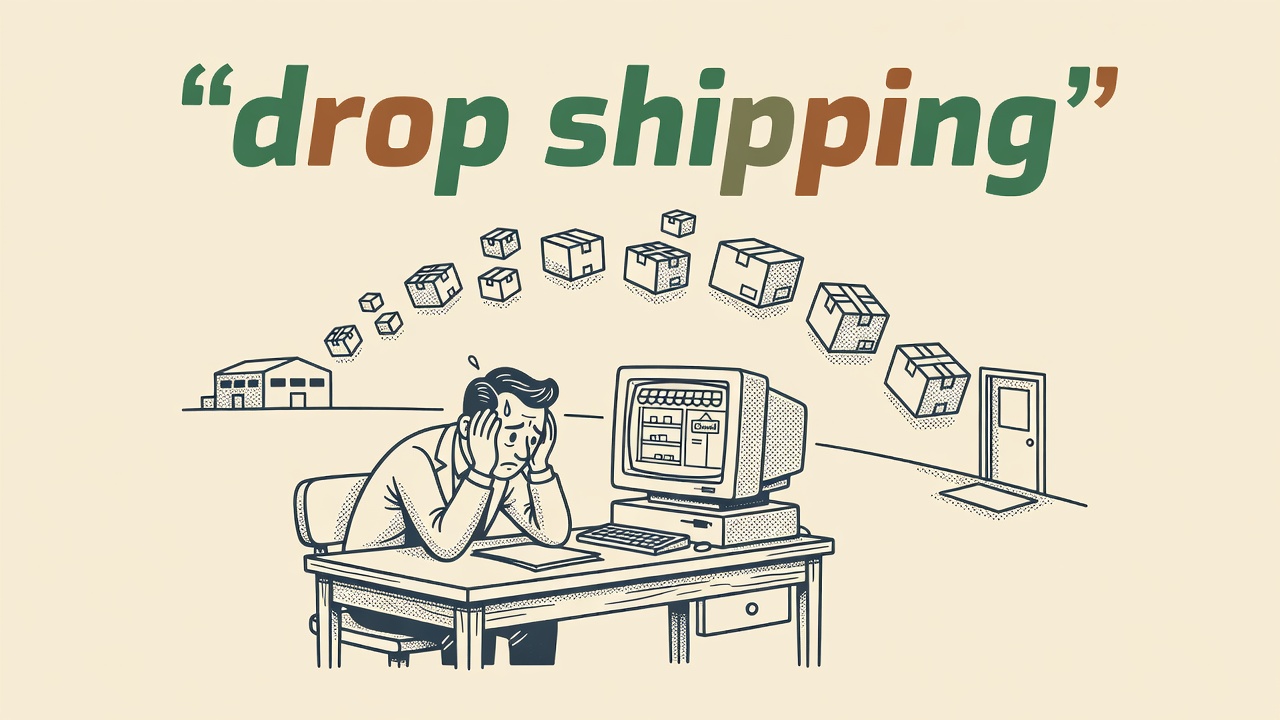
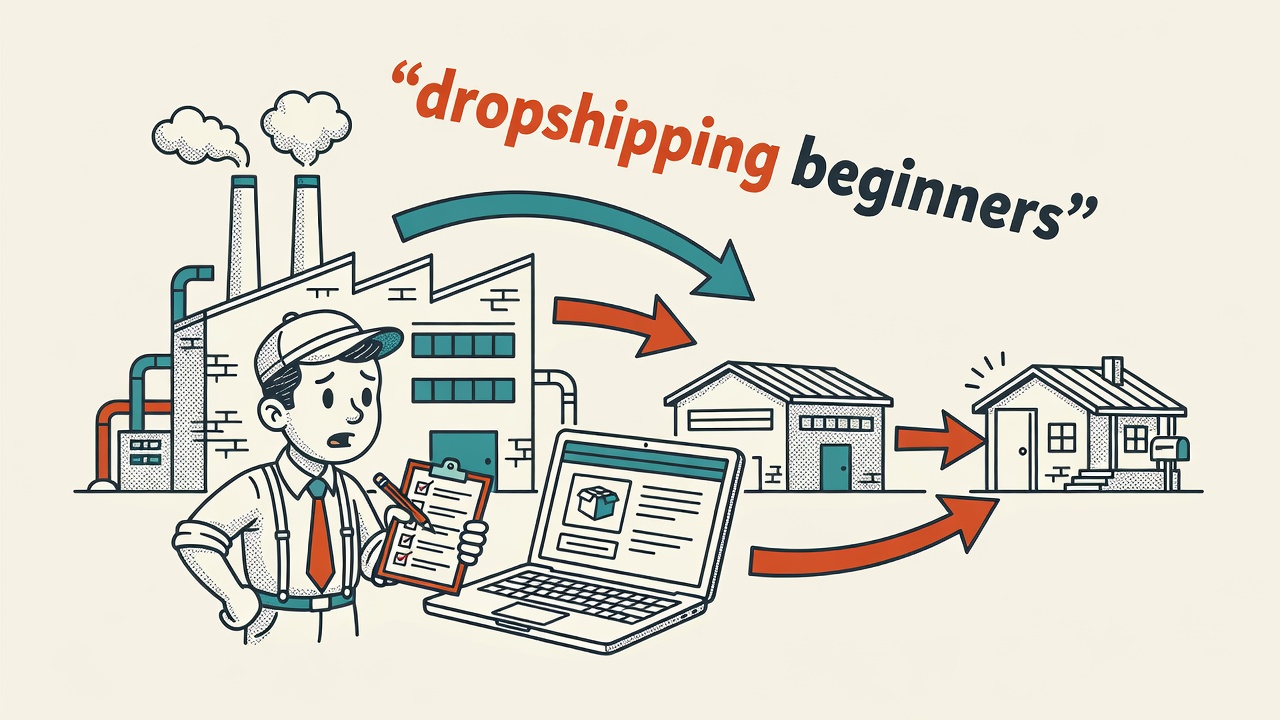
Shipping costs catch many new sellers off guard. Build them into your pricing from day one, and decide upfront whether you will absorb shipping into the product price, charge actual carrier rates at checkout, or use a flat-rate model. For sellers who want to avoid warehousing entirely, dropshipping and print-on-demand models outsource fulfillment to a third-party supplier. This removes inventory risk but adds a per-order cost and limits control over delivery times, so weigh those trade-offs against your margin targets before choosing.
On the legal side, the U.S. Small Business Administration outlines how to choose a business structure, which affects taxes and liability from your first sale. Publish clear policies covering shipping timelines, returns, and contact information before you open. The Federal Trade Commission also publishes practical guidance on disclosure rules, which matters if you plan to use influencers or affiliate partners to promote your products.
Worth Knowing: Open a dedicated business bank account before your first sale. Mixing personal and business finances creates accounting headaches and complicates tax filing. Most banks offer free or low-cost business checking accounts for small businesses, and separating your cash flows from the start saves significant time at the end of every quarter.
Write Listings That Drive Sales
A product listing is your sales pitch, and most buyers decide in a few seconds whether to keep reading or leave. Your title should include the primary search term a buyer would type. Your lead image should show the product clearly on a neutral background. Your description should lead with benefits rather than raw specifications, because buyers want to know what the product does for them.
Think about the problem your product solves and open with that. “Keeps drinks hot for 12 hours” outperforms “double-walled stainless steel” because it tells the buyer what they gain, not just what the material is. Use bullet points to answer the most common buyer questions upfront: size, compatibility, what is included, and any guarantee or return policy. The goal is to remove hesitation before it forms.
Social proof accelerates conversions. Even a handful of genuine reviews builds trust for buyers who are seeing your brand for the first time. Send a post-purchase follow-up email asking for honest feedback and respond to every review, positive or negative. Do not offer incentives for reviews on platforms that prohibit it; the penalty is typically account suspension. On your own store, displaying testimonials prominently and linking to user-generated content on social channels performs the same trust-building function.
Pro tip from Ronen Abudi, e-commerce and GEO specialist (ronenabudi.com): Before writing a single word of your listing, search your main keyword and read the one-star reviews of your three closest competitors. Those reviews are a direct list of what buyers dislike most. Address those gaps in your own copy and you immediately differentiate from nearly identical products.
Marketing, Traffic, and Building Repeat Buyers
Driving traffic is the ongoing work of selling online. For new sellers, organic search, social media, and email are the lowest-cost starting points. Use the autocomplete suggestions on Amazon, Google, and your target marketplace to find the exact phrases buyers type, then lead your titles with those phrases rather than internal names or brand terms. For social media, match the platform to your product category: Instagram and Pinterest work well for visual products like home decor and apparel, TikTok suits trend-driven impulse buys, and Facebook groups and YouTube are effective for products that benefit from a demonstration before purchase. Collect email addresses from your first sale and build that list steadily, because email remains one of the highest-return channels in ecommerce, giving you direct access to buyers without paying per click every time.
Paid advertising can speed up early growth but requires a clear grip on your margins first. A practical approach is to start with a test budget of $5 to $15 per day on one platform, run for at least seven to fourteen days before drawing conclusions, and then scale the ad sets that show a clear return on ad spend. For platform selection: Google Shopping suits products with strong search intent, Meta ads work well for lifestyle and home goods with visual appeal, and TikTok ads can drive fast volume for trend-driven or impulse-buy categories. Pause any campaign that has spent two to three times your product’s selling price without a conversion. Influencer partnerships and affiliate arrangements can also drive targeted traffic without a large upfront spend, especially in product categories with active communities on Instagram, TikTok, or YouTube.
Repeat buyers cost far less to acquire than new ones. A genuine thank-you message after purchase, a simple loyalty program, or early access to new arrivals can turn a one-time buyer into a regular customer. Set up analytics before your first sale, not after. For owned stores, connect Google Analytics 4 and your platform’s built-in reporting (Shopify Analytics or WooCommerce reports) on launch day. Marketplace sellers should use Amazon Seller Central reports or Etsy Stats as the primary dashboard from the start. Once tracking is live, watch which traffic sources convert best, which products carry the highest return rate, and what your average order value trends toward over time. These numbers tell you where to focus your energy next.
Putting This Beginner’s Guide to Selling Products Online Into Action
The most reliable path through this beginner’s guide to selling products online is the simplest one: start with one product, get it listed correctly on one channel, make your first ten sales, and then decide what to change. Overthinking setup and delaying your first listing costs you the real-world buyer data you need to make every decision that follows.
Begin with three to five products at most. Refine your listings based on buyer feedback before expanding your range. Multi-channel selling, running a marketplace account alongside a branded store, makes sense once you have proven products and stable fulfillment. Adding channels before your operations are solid creates more problems than it solves and leaves you too stretched to serve customers well on any front.
Keep overhead low in year one. Dropshipping and print-on-demand let you learn the mechanics of ecommerce without tying up cash in inventory. As your confidence and cash flow grow, you can take on more stock, invest in custom packaging, or expand into new markets. In the early stage, the priority is speed of learning, not perfection of execution.
Quick Takeaways
- Validate your product idea with real buyer signals before spending money on inventory or a full store build.
- Marketplaces provide built-in traffic for early validation; your own store gives you customer data and brand control for the long term.
- Price every product to cover cost of goods, platform fees, shipping, and a profit margin before you list it.
- Lead your listing with buyer benefits, not specifications, and collect genuine reviews from your earliest customers.
- Start with one product on one channel, learn from real orders, and expand only after operations are stable.
Frequently Asked Questions
- What is the cheapest way to start selling online?
- Dropshipping and print-on-demand are among the lowest-cost models for new sellers because they require no upfront inventory purchase. You create listings, take orders, and a third-party supplier ships directly to your customer. Costs come out of each sale rather than as a large advance commitment, making these models accessible to sellers with limited starting capital who want to learn ecommerce fundamentals first.
- Do I need a business license to sell products online?
- Requirements vary by country, state, and business type. Many new sellers begin without a formal license, but most jurisdictions require registration once you operate as a regular business rather than an occasional seller. The U.S. Small Business Administration recommends choosing a business structure, opening a dedicated business bank account, and understanding your local tax obligations before you scale to consistent monthly sales.
- Should I start on Amazon or build my own store first?
- Starting on a marketplace like Amazon gives you immediate access to existing buyer traffic, which speeds up product validation and generates early sales without requiring you to build an audience from scratch. Building your own store makes more sense once you have a proven product and want to own the customer relationship, collect email addresses, and reduce per-sale fees as your volume grows.
- How do I find products that will actually sell?
- Research consistently outperforms guesswork for new sellers. Browse bestseller categories on Amazon and Etsy, check Google Trends to confirm that search interest for a product term is steady or growing, and read one-star reviews of existing products to identify what buyers wish were better. Products with consistent demand and a clear gap in current offerings tend to give beginners the strongest foundation for early sales.
- How long does it take to make the first online sale?
- On an established marketplace with a well-optimized listing, new sellers often see their first sale within days to a few weeks. On a standalone store with no existing audience, the timeline is longer because traffic must be built through SEO, social media, or paid advertising. A realistic expectation for a new branded store is one to three months before orders arrive consistently, assuming active marketing effort from launch.