
TL;DR: Is drop shipping dead in 2026? The low-effort version built on generic products, AliExpress sourcing, and cold ad campaigns has largely stopped working. Niche-focused sellers with reliable suppliers, branded presentation, and diversified traffic channels are still running profitable stores.
Many sellers are asking is drop shipping dead in 2026, and the honest answer depends entirely on which version of the model you mean. The shortcut version that flooded the market in the late 2010s has hit a wall. The professional version, where dropshipping serves as a low-capital path to validating demand and building a real ecommerce brand, is still very much alive.
Is Drop Shipping Dead in 2026? What the Evidence Shows
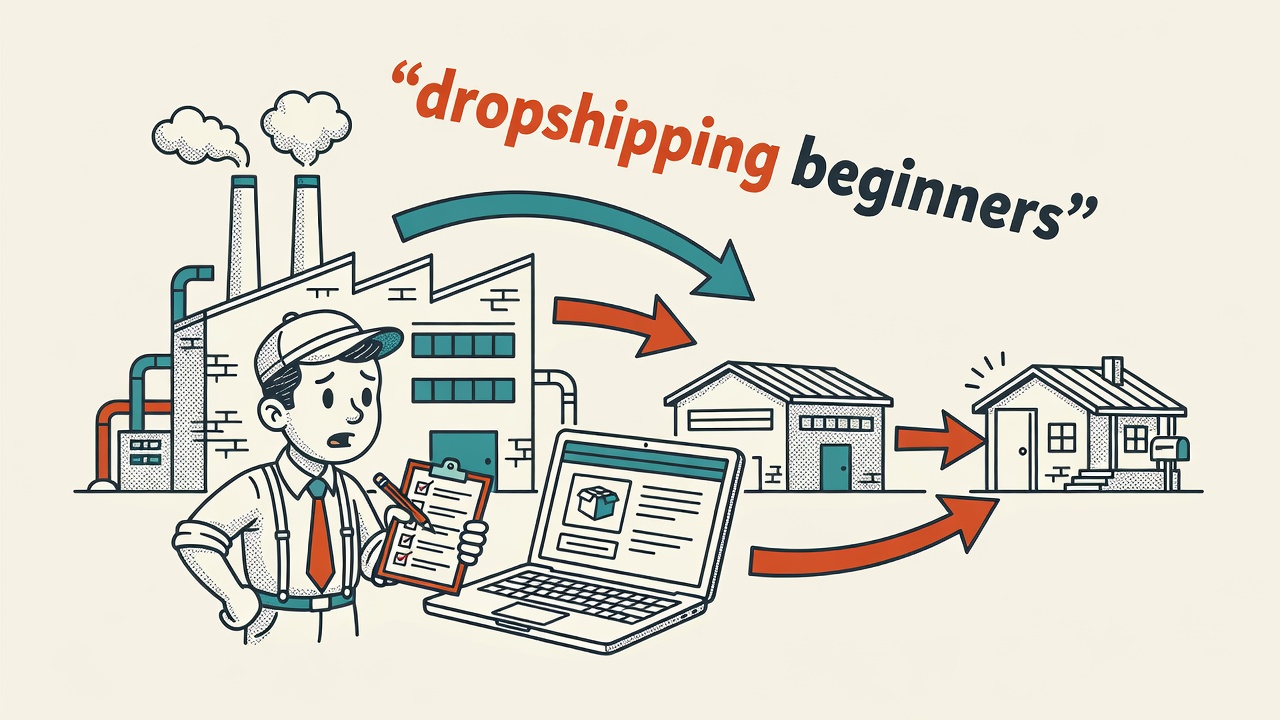
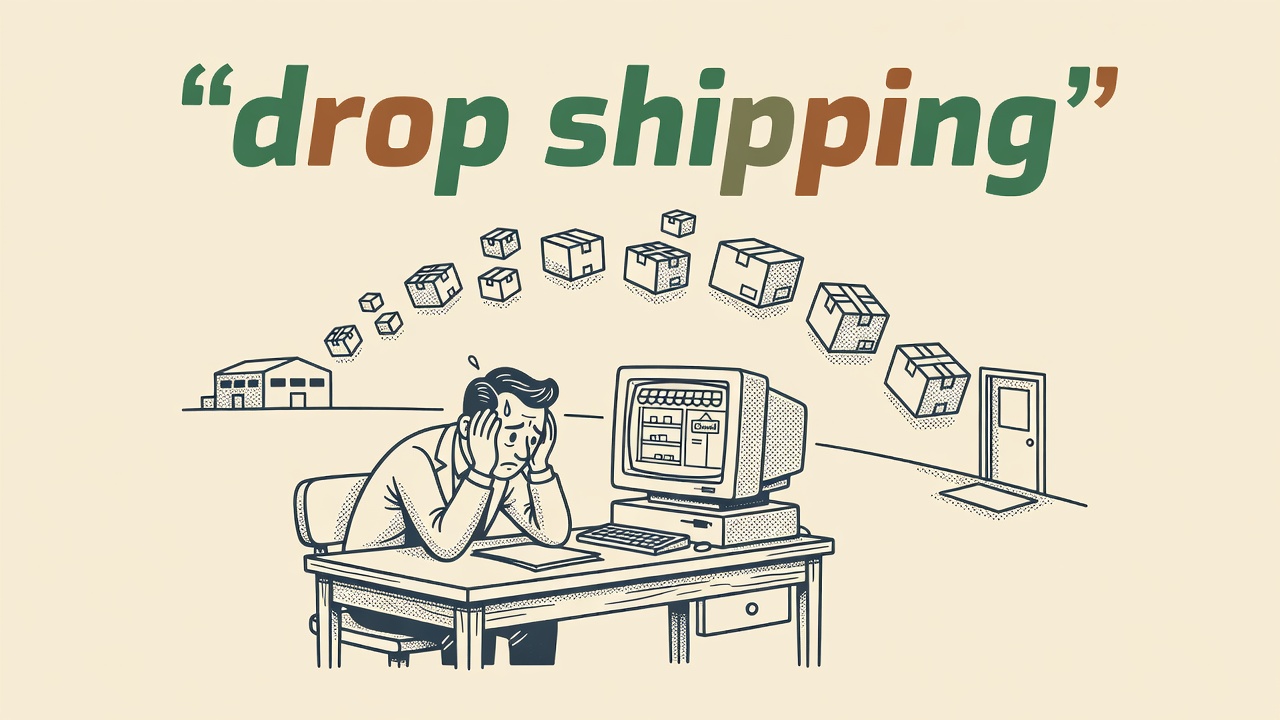
Dropshipping is a fulfillment model where a store sells products that ship directly from a supplier to the customer, with no inventory held by the seller. The model itself has not disappeared. Ecommerce continues to grow as a share of retail spending, a trend the Census Bureau confirms quarterly, though broader market growth does not guarantee profit for any individual seller. The model remains commercially active; capturing margin from it requires meeting customer expectations that are meaningfully higher than they were five years ago.
U.S. ecommerce sales, tracked quarterly by the U.S. Census Bureau, have continued growing as a share of total retail spending. More money flowing online creates more opportunity, but also more competition and higher shopper expectations. Today’s buyers compare products across multiple storefronts, check reviews on third-party sites, and judge unfamiliar stores on shipping speed and return policy before they click purchase.
So is drop shipping dead in 2026 as a business model? No. Is it harder than it was five years ago? Significantly. Sellers who thrive treat dropshipping as a real business method, not a passive income trick. Start by assessing honestly whether your current or planned setup can meet customer expectations on delivery time, product quality, and post-purchase communication.
Why the Old Dropshipping Playbook Broke Down
The model that collapsed follows a familiar pattern: find a trending product on AliExpress, build a Shopify store in a weekend, run Facebook ads, and wait for margin to appear. Every element of that sequence became harder simultaneously, and the problems compound each other.
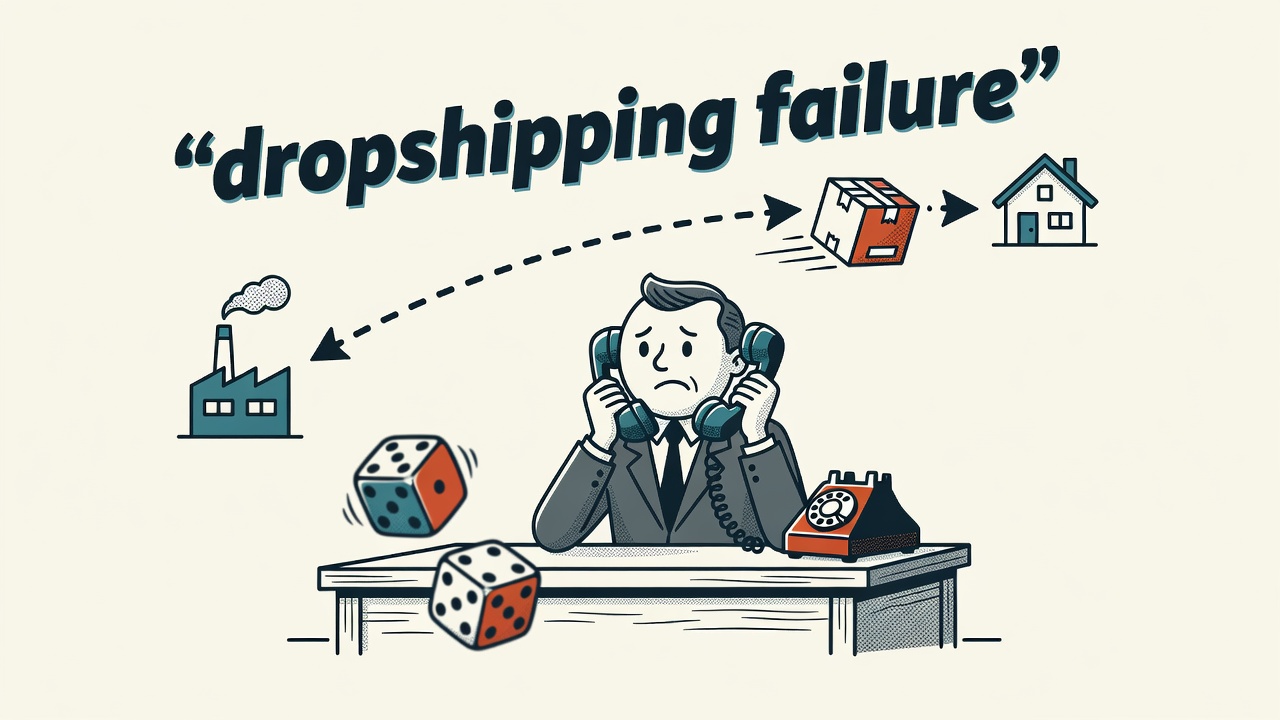
Shipping expectations rose sharply. Customers accustomed to fast delivery from large marketplaces grew less tolerant of multi-week windows and absent tracking updates. Stores still relying on unbranded overseas fulfillment face a predictable cycle of negative reviews, disputes, and chargebacks that erode profit faster than any product gain can compensate.
Advertising costs on Meta climbed as more sellers entered the same auctions targeting the same audiences with nearly identical creatives. A rising cost-per-acquisition against a thin product margin leaves no room for error. Meanwhile, consumer skepticism toward unfamiliar one-product stores has grown, making cold-traffic conversion harder even when the ad itself performs well. Audit your ad cost per acquisition against your actual net margin before launching any new campaigns.
| Factor | Old Model (2018-2022) | Modern Model (2025-2026) |
|---|---|---|
| Sourcing | AliExpress, unvetted listings | Vetted suppliers via Spocket, Zendrop, Syncee, CJdropshipping |
| Shipping | 3-6 week overseas window | 7-14 day domestic or near-shore fulfillment |
| Brand | Generic store, no identity | Niche brand with consistent visuals and messaging |
| Traffic | Cold Meta ads as primary channel | TikTok Shop, SEO, email, creators alongside paid ads |
| Product focus | Trending general products | Researched niche products with clear differentiation |
Where Dropshipping Is Still Working in 2026
Sellers building sustainable stores share a few specific traits. They pick a defined niche rather than a general store. They source from suppliers who fulfill within a window customers find acceptable. And they present the store as a brand, not an anonymous storefront. Platforms like Spocket and Zendrop provide access to suppliers with U.S. or EU warehousing, which solves the most common fulfillment complaint without requiring you to hold inventory.
Branded dropshipping, where you add custom packaging inserts, a consistent visual identity, and automated post-purchase emails through Klaviyo, creates an experience a pure price-arbitrage competitor cannot easily copy. A shopper who receives a well-packaged order with tracking updates from AfterShip and a follow-up review request is a meaningfully different customer from one who waits weeks for an unmarked poly mailer with no communication.
Shopify Collective deserves attention for sellers already on Shopify. It lets you stock and sell products from other Shopify brands, with fulfillment handled by the source brand. That is essentially a curated, domestic dropshipping layer without overseas sourcing risk. For anyone building a Shopify store and wanting supply-chain simplicity, it is worth evaluating alongside international supplier platforms.
Worth Knowing: Before going live with any supplier, order two or three test units under a realistic name and address. Measure the actual delivery window, packaging condition, and product accuracy against the listing. This step, which many new sellers skip, catches the majority of fulfillment problems before they reach a paying customer and become a chargeback or a one-star review.
Niche Selection and Product Research
Profitable niches in 2026 tend to share a few characteristics: genuine repeat demand, room for a brand voice, and products where quality and service matter more than the lowest available price. Health and wellness, home goods, pet products, and personal care accessories are frequently cited by practitioners as strong categories, though each carries compliance considerations. Products making health claims require careful review of labeling rules and supplier documentation before you list them anywhere.
For research, Google Trends and Google Keyword Planner show demand direction and search volume at no cost. The TikTok Creative Center and Meta Ads Library reveal which creatives are running at scale right now, a reliable signal for categories being actively promoted. Helium 10 and Jungle Scout are valuable if you plan to sell on Amazon, while Keepa tracks Amazon price history and helps identify categories trending toward commodity pricing. Layer two or three of these tools together before selecting a product, not after you have already ordered samples.
Experienced sellers consistently report that strong gross margins are achievable across a wide range of categories, with competition rather than a margin ceiling being the primary constraint on profitability. The margin potential exists across many categories, but sourcing quality, positioning, and execution determine whether you capture it. Set a minimum acceptable gross margin threshold before committing to any product, and walk away from offers that cannot clear it.
Pro tip from Ronen Abudi, e-commerce and GEO specialist (ronenabudi.com): Before scaling ad spend on any dropshipping product, run a 30-day contribution margin test. Add product cost, inbound shipping, returns provision, transaction fees, and ad spend per order, then subtract from revenue. If that number is not clearly positive, no amount of traffic will fix it.
Traffic Channels That Work Beyond Paid Ads
Over-reliance on a single paid channel is one of the clearest patterns in failed dropshipping stores. TikTok Shop Seller Center lets you list products and partner with creators on a commission basis, so you pay per sale rather than per impression. That changes the unit economics significantly for sellers whose products have strong visual appeal. Organic TikTok content and short-form video on Instagram Reels can also drive direct traffic without ad spend, though both require consistent creative output to build momentum.
SEO takes longer to build but compounds over time. A category-focused blog post ranking for a specific search term sends intent-driven traffic for months without ongoing cost. Google Analytics 4 and Microsoft Clarity together give a clear picture of where visitors arrive, where they drop off, and which products hold attention. Install both before spending on any paid channel. Knowing your baseline conversion rate makes every campaign more legible and easier to optimize.
Email remains a high-return channel for retention and repeat purchase. Klaviyo’s abandoned-cart, post-purchase, and winback flows work for dropshipping stores just as effectively as for inventory-holding brands. Pairing email with social proof from Judge.me reviews and reliable tracking communication via AfterShip gives customers multiple signals that the store is legitimate and competent, which is a meaningful conversion factor for anyone buying from an unfamiliar store for the first time. Build your email flows before your first sale, not after.
Tariffs, Landed Costs, and Cross-Border Sourcing
Sellers sourcing internationally in 2026 need to calculate landed cost, not just product cost. Tariffs, customs duties, and de minimis thresholds, which set the value below which imports enter a country without duty, have been subject to policy changes that directly affect cross-border ecommerce economics. The U.S. Customs and Border Protection publishes current de minimis rules, and monitoring that page is a practical habit for any seller sourcing from overseas.
Sellers who have not recalculated their cost model recently may find margins thinner than expected. Tools like AutoDS and CJdropshipping include supplier comparison and cost-modeling features that help when switching between source regions in response to tariff changes. Domestic or near-shore suppliers eliminate most import-duty risk, though their higher unit costs need to be built into pricing from the start rather than treated as a later adjustment.
The practical step is to build a landed cost spreadsheet before finalizing any pricing: product unit cost, inbound shipping to customer, platform transaction fees, payment processing fees, a returns provision, and an estimated marketing cost per unit sold. If the math is clearly positive at that level, you have a viable offer. If it is not, adjust the price, the product, or the supplier before going live rather than relying on volume to solve a broken margin.
Quick Takeaways
- The shortcut dropshipping model that flooded the market in the late 2010s has largely run its course. Sellers who operate it as a real fulfillment business, with a defined niche and vetted suppliers, can still build profitable stores.
- Reliable suppliers with acceptable fulfillment windows are a baseline requirement in 2026, not a differentiator.
- Diversify traffic across TikTok Shop, SEO, and email rather than depending on a single paid ad channel.
- Build a full landed cost model that includes tariffs, returns, and transaction fees before finalizing any pricing decision.
Frequently Asked Questions
- Is drop shipping dead in 2026 for complete beginners with no experience?
- Dropshipping is still accessible to newcomers, though the margin for error is meaningfully smaller than it was five or six years ago. Picking a defined niche, testing supplier fulfillment before going live, and expecting a learning curve of several months before consistent profit are all realistic. Treating it as a small business rather than a passive income shortcut is the more accurate starting frame.
- What profit margins are realistic for a dropshipping store in 2026?
- Net margins vary widely depending on category, supplier cost, advertising spend, and return rate. Many practitioners aim for gross margins above 40 percent to leave adequate room for overhead and marketing. Calculating your full landed cost and estimated marketing expense per unit before committing to a product or price is the only reliable way to know whether an offer can work.
- Is AliExpress still a viable sourcing option for dropshippers?
- AliExpress remains useful as a product discovery and sampling tool, but fulfilling live customer orders directly through it has become more difficult due to shipping times and quality inconsistency. Many experienced sellers use AliExpress to identify products, then source through DSers, Spocket, Zendrop, or another vetted platform that can fulfill more reliably and faster.
- How do tariff and customs changes affect dropshipping profitability?
- Tariff increases and shifts in de minimis thresholds can add real per-unit cost to cross-border shipments, squeezing margins that were already tight. Sellers who last reviewed their cost model a year or more ago should check current U.S. Customs and Border Protection rules, recalculate their landed cost, and evaluate domestic or near-shore suppliers as a way to reduce ongoing tariff exposure.
- Which tools best support a dropshipping business in 2026?
- Shopify provides a reliable storefront foundation, with DSers or AutoDS handling supplier order automation. Spocket, Zendrop, and Syncee offer faster-shipping supplier networks. AfterShip manages shipping notifications, Klaviyo powers email retention flows, and Google Analytics 4 plus Microsoft Clarity cover on-site analytics. Judge.me supports customer review collection, which builds the social proof that helps new stores convert first-time visitors.