
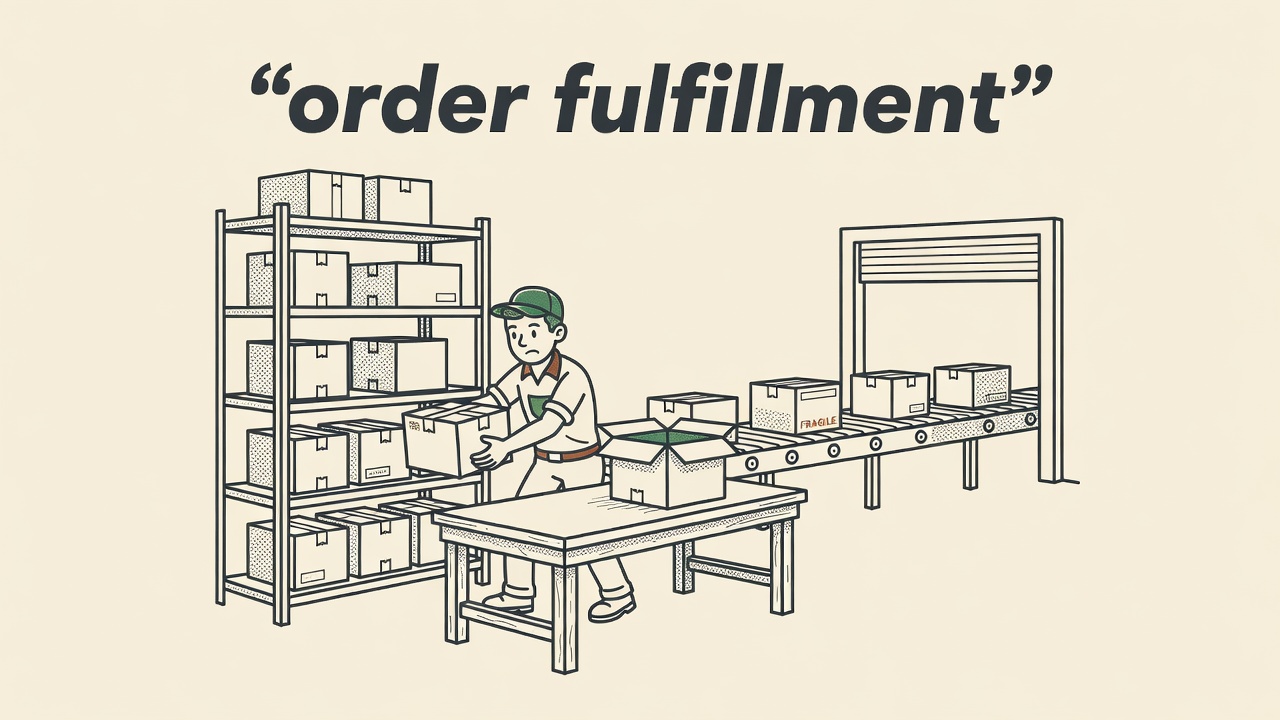
Order fulfillment is the end-to-end process of storing, picking, packing, and shipping customer orders. Three models dominate ecommerce: self-fulfillment, third-party logistics (3PL), and dropshipping. Each fits a different stage of growth, and many stores mix models by SKU type. The right choice depends on your order volume, available capital, and how much packing time you’re willing to trade for margin.
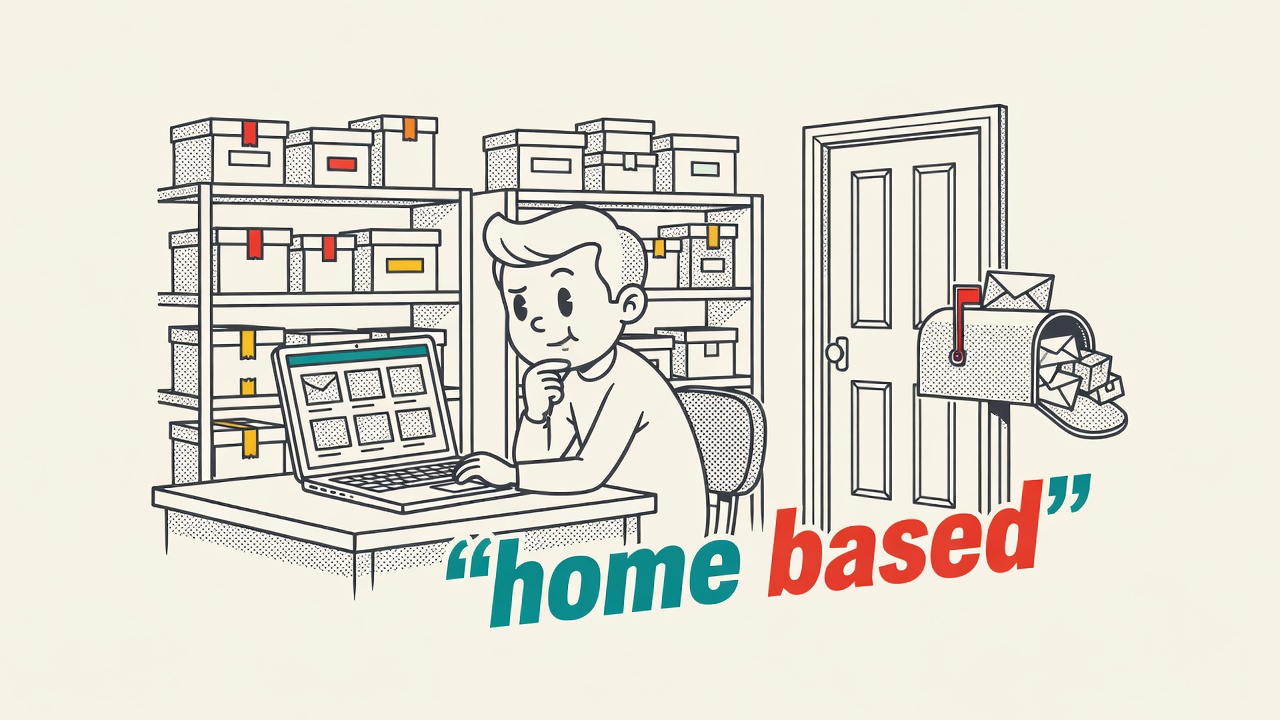
Order fulfillment covers every step from a customer clicking “buy” to receiving their package: storing inventory, picking items, packing boxes, and handing the parcel to a carrier. Most new sellers handle this from a spare room or garage. That works until it doesn’t.
Shipping speed consistently ranks among the top three purchase factors for online buyers, which means fulfillment quality directly affects whether a customer returns for a second order. A slow or sloppy shipment can erase a good product experience entirely.
The three dominant models are self-fulfillment, third-party logistics (3PL), and dropshipping. Each allocates labor, capital, and control differently. Understanding those tradeoffs before you’re swamped by order volume is far easier than rebuilding operations mid-growth-spike.
Your best choice usually depends on monthly order volume, the physical nature of your product, how much capital you have on hand, and how much time you’re willing to spend packing instead of growing the business.
Self-Fulfillment: Order Fulfillment You Control From Your Own Space
Self-fulfillment is the cheapest way to start and the most common model for early-stage ecommerce sellers. You store inventory at home, in a rented studio, or in a small warehouse; you or your team pick, pack, and ship each order.
The margin advantage is real. When you handle fulfillment yourself, your logistics costs are materials (boxes, tape, poly mailers), postage, and your own time. At low order volumes, that typically beats paying a 3PL’s pick-and-pack fees by a meaningful amount.
Control is the other benefit. You inspect every unit before it ships. You can include handwritten notes, custom tissue paper, or branded inserts that shape how customers feel when they open the box. That kind of personal touch is hard to replicate once you hand off fulfillment to someone else.
The real costs show up in hours, not invoices. Packing 20 orders a week is manageable. Packing 200 orders a week, while also sourcing product, answering customer emails, and running ads, is a different situation entirely. Many founders discover too late that their hourly packing rate is far below what that time is worth to the business.
Geography adds another wrinkle. Your warehouse location determines your shipping zones and delivery times. A seller based in Chicago ships to nearby Midwest customers in one or two days. That same seller shipping to Seattle at ground rates might need four or five days. Zone-based pricing from carriers like UPS and FedEx means the farther the package travels, the higher the cost, which hurts your competitiveness in distant markets.
3PL Order Fulfillment: Handing the Physical Work to a Specialist
A 3PL takes over the warehouse, labor, and shipping coordination so you can direct your attention to the parts of the business that genuinely need you. You ship your inventory to their facility, and they pick, pack, and send each order as it comes in.
Most 3PLs charge three types of fees: receiving (unloading and shelving your inbound shipment), storage (a monthly rate per bin, shelf, or pallet), and pick-and-pack (a per-order fee covering pulling items and boxing them). Outbound shipping is billed at the carrier rate, sometimes with a volume discount passed through to you.
The geographic advantage is significant. A 3PL with multiple warehouse locations lets you split inventory so most customers receive orders within two shipping zones. Shorter zones mean lower carrier costs and faster delivery, which can improve conversion on future orders and reduce cart abandonment from slow estimated arrival dates.
The catch is minimum volume. Most 3PLs want at least 100 to 500 orders per month before they’ll take you on as a client, and their per-unit fees only become cost-competitive once your volume justifies the operational overhead. Below that threshold, self-fulfillment almost always costs less per shipment.
Switching to a 3PL also means trusting their quality control. Errors happen in any warehouse. When a 3PL makes a mistake, you’re often several time zones away from fixing it quickly. Choose a provider with transparent reporting, a clear error-credit policy, and enough public reviews to understand how they handle problems when things go wrong.
Dropshipping: Order Fulfillment Without Holding Any Inventory
Dropshipping removes inventory from the equation entirely. When a customer orders, you forward that order to a supplier who ships directly to the buyer, often under your store’s branding or plain packaging. You never touch the product.
The capital advantage is substantial. A traditional wholesale purchase requires buying inventory before you’ve made a single sale. Dropshipping lets you test a product idea with near-zero inventory cost, making it appealing for new sellers and for established stores validating a new category before committing to a bulk purchase.
The cost is margin and control. Suppliers build their fulfillment cost into the wholesale price, so your per-unit margin is thinner than it would be if you held the stock. Industry estimates typically put dropshipping margins at 10 to 30 percent, compared to 40 to 60 percent or more for sellers who buy wholesale and ship orders themselves.
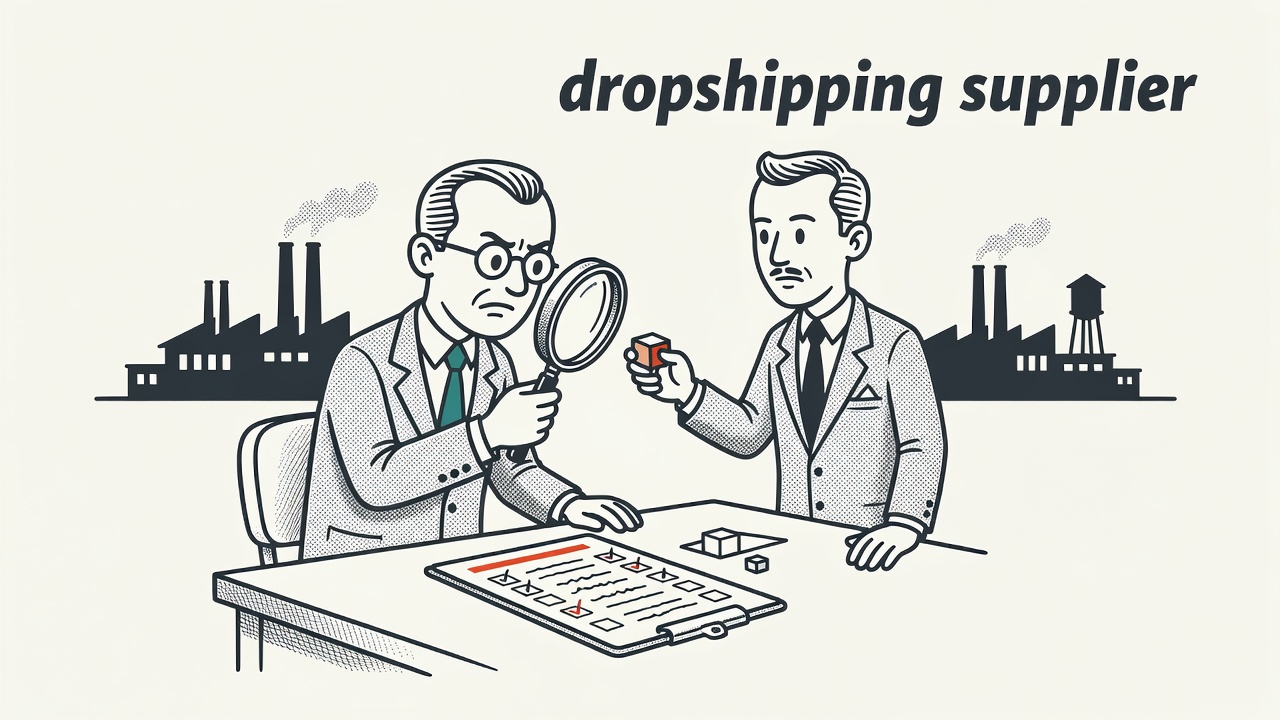
Quality control is limited. You can’t inspect what ships. If a supplier sends a damaged item or uses flimsy packaging, your customer blames you, not the supplier. Vet suppliers carefully, order samples before going live, and monitor your return rate and complaint volume once you’re selling at scale.
Lead times from overseas suppliers can stretch to 10 to 20 days, which is a genuine liability if your competitors ship in two. Domestic dropshipping suppliers solve the speed problem but often charge more per unit and carry narrower catalogs, so the right source depends heavily on your product category.
How to Choose an Order Fulfillment Model That Fits Your Stage
Match your fulfillment model to where you are now, not your growth projections. The model that fits a 30-order-per-month store is rarely the right model for a 500-order-per-month store, and forcing the wrong fit in either direction costs money.
Start with self-fulfillment when you’re under 50 orders per month and want to keep overhead low while you learn what actually sells. Track how many hours per week you spend on packing and shipping. That number is your early warning system for when to make a change.
Move to a 3PL when fulfillment tasks eat more than 10 to 15 hours per week, or when monthly volume exceeds 100 and you can’t ship within one business day. At that point, 3PL fees are typically less than the value of the time you recover for marketing, product development, and customer relationships.
Consider dropshipping when you want to expand your catalog without the capital risk of new inventory, or when you’re entering a new product category and want to validate demand before a wholesale commitment. It pairs well alongside a self-fulfillment or 3PL core business, letting you offer a wider range of SKUs without changing your warehouse footprint.
Many mid-size stores run a hybrid: they use a 3PL for their core SKUs and dropship for long-tail or seasonal products. An order management system that routes orders to the right source automatically keeps this manageable without a dedicated logistics team.
Carrier rate negotiation opens up at lower volumes than most sellers expect. UPS and FedEx both offer discounted rates once you ship around 25 packages per week consistently. Platforms like Shopify Shipping, Pirateship, and EasyPost aggregate volume across thousands of sellers to offer negotiated rates to small businesses, often 30 to 50 percent below retail counter prices. Check your actual postage spend before assuming a 3PL is the cheaper option.
- Self-fulfillment gives you the highest per-unit margin at low volumes and full control over packaging and presentation, but you pay in hours rather than invoices.
- 3PL order fulfillment becomes cost-effective at roughly 100 to 500 orders per month, depending on your product weight and average order value.
- Dropshipping margins run 10 to 30 percent versus 40 to 60 percent for wholesale-plus-self-fulfillment, but startup capital required is near zero.
- Ship to a 3PL when pack-and-ship tasks start crowding out growth work. Track your weekly hours as the clearest signal.
- A hybrid model using multiple fulfillment methods by SKU type is practical and common, made manageable by the right OMS or inventory management platform.
For deeper reading: Shopify’s order fulfillment guide covers process setup and carrier selection in detail; Investopedia’s dropshipping overview explains the supplier relationship model and margin math; and Amazon’s FBA program page shows how a marketplace-integrated 3PL operates at scale and what its fee structure looks like.
| feature | self-fulfillment | 3PL | dropshipping |
|---|---|---|---|
| startup cost | lowest | medium | near zero |
| margin | highest | medium | lowest |
| packing control | full | limited | none |
| best order volume | low | medium-high | any |
| time investment | high | low | minimal |
Frequently Asked Questions About Order Fulfillment
- What is the difference between self-fulfillment and 3PL for ecommerce beginners?
- Self-fulfillment means you store, pack, and ship orders from your own space. A 3PL handles those same steps at their facility on your behalf. The main differences are who performs the physical work, where inventory lives, and what fees you pay. In both cases, you own the stock.
- Which fulfillment model has the lowest startup cost?
- Dropshipping has the lowest startup cost because you don’t purchase inventory before making a sale. The supplier holds the stock and ships directly to your customer when an order arrives. This makes it accessible for founders who want to test a product idea without a significant upfront capital commitment.
- When should a new ecommerce store switch from self-shipping to a 3PL?
- Switch when fulfillment tasks consume more than 10 to 15 hours of your time per week, or when monthly order volume reaches roughly 100 to 200 orders. At that point, 3PL fees are typically less than the value of the time you recover to focus on marketing and product development.
- What products are best suited for dropshipping versus a 3PL?
- Dropshipping works best for commodity products with reliable suppliers and low-to-medium price points, where testing demand matters more than brand presentation. A 3PL fits proven SKUs that need fast, consistent delivery and branded packaging, especially products that are fragile, high-value, or require careful quality inspection before shipping.
- How do profit margins differ across the three fulfillment models?
- Self-fulfillment typically yields the highest per-unit margin at low volumes, since you buy wholesale and handle all shipping yourself. A 3PL produces mid-range margins because you still buy wholesale but pay for outsourced logistics. Dropshipping offers the thinnest margins because the supplier’s fulfillment cost is built into the per-unit price you pay.