
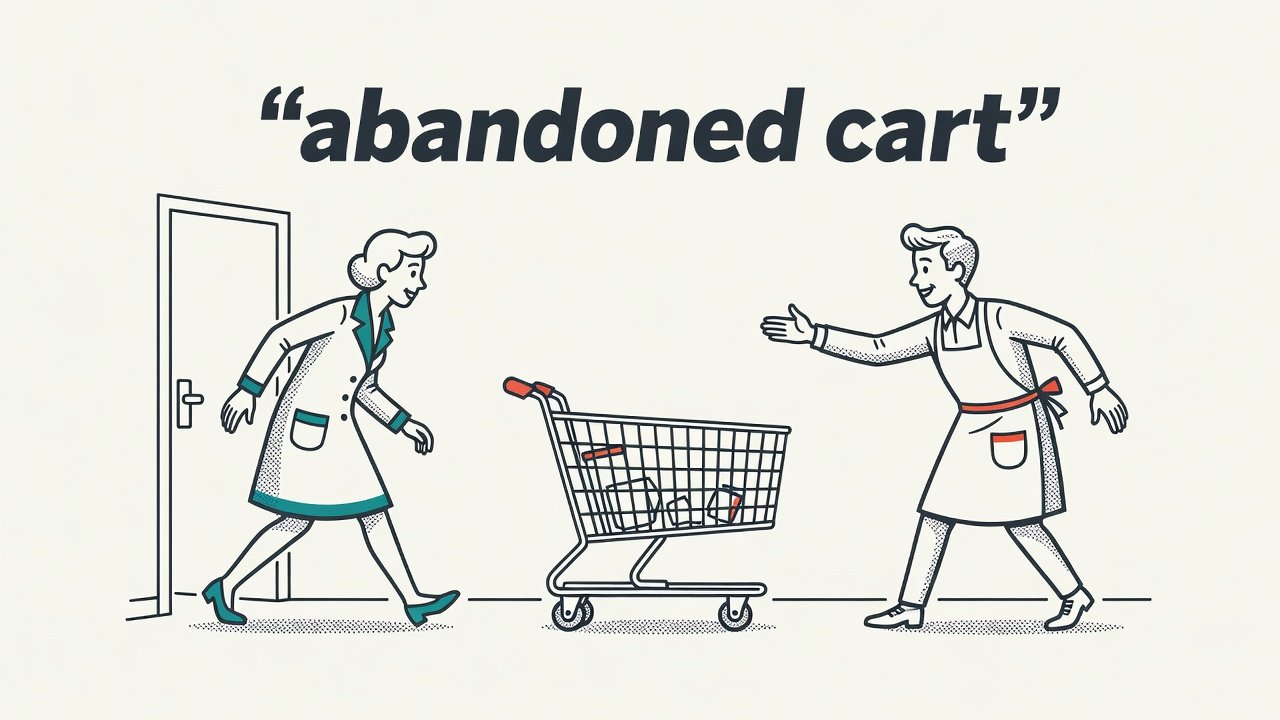
TL;DR: Ecommerce abandoned cart recovery is the process of bringing shoppers back after they leave without buying. A three-part email sequence combined with SMS and retargeting can recover up to 20-25% of lost carts, according to Top Growth Marketing (2026). Start with email, fix checkout friction, then layer in other channels as your program matures.
Ecommerce abandoned cart recovery is one of the highest-ROI activities available to any online store. The shoppers you are trying to reach already showed intent, found your product, and got close to buying. Getting them back takes less persuasion than acquiring a cold lead, and the tools to do it are within reach of any store owner.
What Is Ecommerce Abandoned Cart Recovery?
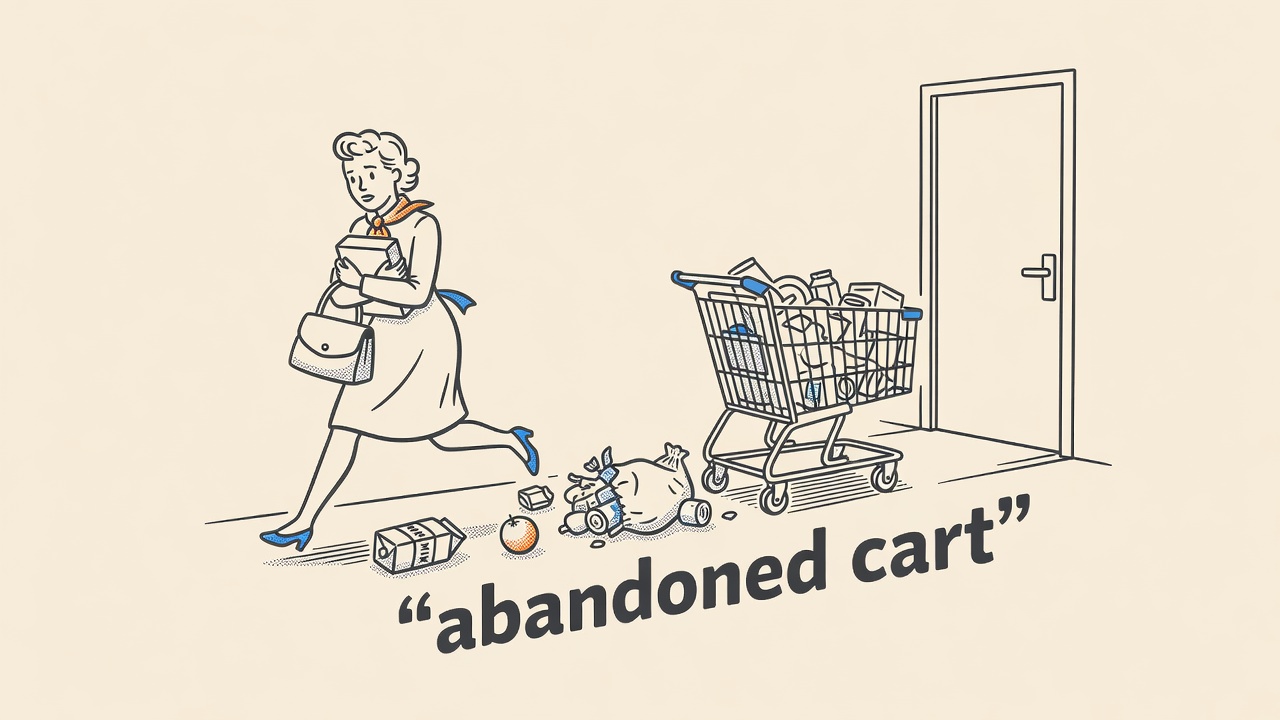
Ecommerce abandoned cart recovery is the practice of re-engaging shoppers who added items to their cart but left before completing a purchase, using automated outreach through email, SMS, push notifications, popups, and retargeting ads. The goal is to bring those high-intent visitors back to finish what they started.
Most stores lose the majority of their carts. Shoppers get distracted, hit an unexpected shipping cost, or simply need more time. A recovery program captures a meaningful share of that revenue without paying for new traffic. Email alone recovers 5-15% of abandoned carts on average, according to Top Growth Marketing (2026), and programs that combine three or more channels do significantly better.
Recovery is distinct from general email marketing. Every message is triggered by a specific behavior, tied to a specific cart, and sent at a specific time window. That targeting is what makes it work. A generic newsletter to the same shopper would not move them; a reminder showing the exact products they left behind often does.
Abandoned Cart Email Timings That Actually Work
Send your first abandoned cart email within 1 to 3 hours of abandonment. That window, confirmed by BigCommerce (2026), catches shoppers while the cart is still fresh. Wait too long and they’ve either bought elsewhere or forgotten entirely.
A proven three-part cadence works like this. Message one goes out within that 1-to-3-hour window. Keep it friendly, show the cart contents, and make it easy to return. No discount yet. Message two follows at 12 to 24 hours. This is where social proof helps. Customer reviews of the abandoned product, a low-stock notice if accurate, or a reminder of your return policy can tip the shopper. Message three comes at 48 to 72 hours. This is your last-chance message, and it is the right place for a discount if you plan to offer one.
The three-message structure works because each message serves a different job. The first recovers the easy wins, shoppers who just got interrupted. The second handles the hesitant. The third targets the price-sensitive. Many stores stop at one email and leave two-thirds of their recoverable revenue on the table. Tools like Klaviyo and Dotdigital make the full sequence straightforward to automate.
| Message | Timing | Primary Goal | Incentive? |
|---|---|---|---|
| Email 1 | 1 to 3 hours | Friendly reminder, cart contents | No |
| Email 2 | 12 to 24 hours | Social proof, urgency | Optional |
| Email 3 or SMS | 48 to 72 hours | Last-chance offer | Yes, if warranted |
What to Put in Your First Abandoned Cart Email
Your first recovery email should do one thing well: show the shopper exactly what they left and give them one click back to their cart. Include a clear image of each abandoned product, the product name, the price, and a single prominent call-to-action button that returns them directly to their cart. Every extra click costs you a recovery.
Subject lines matter more than most store owners think. “You left something behind” works. So does showing the product name directly: “Your [Product Name] is still waiting.” Personalized follow-up emails that include the shopper’s name and specific cart contents recover 3-11% of abandoned carts per month, according to Popupsmart (2026). Generic “Did you forget something?” messages perform noticeably below that range. Pull the cart data into the email dynamically.
Trust signals belong in this first email. A short reminder of your return policy, free shipping threshold, or a prominent security badge reduces the friction that may have caused abandonment in the first place. Keep the email short. One product image section, one line of reassurance, one button. The shopper knows what they left; they don’t need a sales pitch.
Worth Knowing: Do not include a discount coupon in your first recovery email. Most shoppers who abandoned due to distraction or busy timing will come back without one. Offering a discount in message one trains repeat customers to abandon carts on purpose to harvest coupons. Save the discount for the third message, and consider limiting it to carts above a minimum value so you protect margins on smaller orders.
SMS Cart Recovery and When to Use It
SMS cart recovery sends a short text message to shoppers who have a mobile number on file and left without buying. Open rates for SMS run far above email, which makes it a strong complement for shoppers who rarely check their inbox.
Platforms like Twilio and dedicated SMS marketing tools integrate directly with Shopify and WooCommerce to trigger cart recovery texts automatically. The best practice is to send SMS as a second or third touchpoint rather than the first, partly because text messages feel more intrusive and partly because you want to reserve them for shoppers who did not respond to email. For high cart-value orders, a brief and polite SMS at the 24-hour mark can make a measurable difference.
Compliance is non-negotiable with SMS. You need explicit opt-in consent before texting anyone about their cart. Sending texts without permission creates legal exposure under laws like TCPA in the US and GDPR in Europe, and it damages the trust you need to make recovery work. Collect SMS consent at checkout or through a dedicated signup prompt, and always include a clear opt-out instruction in every message.
Pro tip from Ronen Abudi, e-commerce and GEO specialist (ronenabudi.com): For high-AOV stores, segment your SMS recovery by cart value: only send the text-message touchpoint to carts above your average order value. This keeps SMS volume manageable, protects your sender reputation, and focuses your most direct channel on the recoveries that matter most to revenue.
Exit-Intent Popups and Retargeting for Ecommerce Abandoned Cart Recovery
Exit-intent popups can recover 3-10% of abandoners, according to Popupsmart (2026). They fire when a visitor’s cursor moves toward the browser close button or address bar, and a free-shipping offer is the most effective hook because surprise shipping costs rank as the top abandonment trigger.
Retargeting ads pick up where email and SMS leave off. Once a shopper leaves your site, retargeting through platforms like Meta Ads or Google Display shows them product-specific ads as they browse elsewhere. For ecommerce abandoned cart recovery, dynamic retargeting matters most: ads that display the exact products the shopper left in their cart, not generic brand ads. Merchants using three or more recovery channels recover 2.7 times more revenue than those relying on email alone, according to Digital Applied (2026).
Frequency capping is critical for retargeting. Showing the same ad 30 times in a week does not increase conversions; it creates ad fatigue and resentment. Set impression limits per user, typically 3-5 per day, and set an expiration window. Most cart abandoners who will convert through retargeting do so within 7 to 14 days. After that point, they’ve either bought or moved on, and continued spend is wasted. Tools like Dynamic Yield and standard Meta Ads Manager both support these controls.
Checkout Friction: The Root Cause to Fix First
Fix checkout friction before optimizing your recovery sequences. Forced account creation, surprise shipping costs, and long forms push shoppers out before any email gets a chance, and no recovery program fully compensates for a checkout that drives people away.
Guest checkout is one of the most effective fixes available. Requiring shoppers to create an account before paying adds steps and feels like a commitment they didn’t sign up for. Enabling guest checkout typically increases completed purchases, particularly from first-time buyers. Pair it with a post-purchase account creation prompt if you want to build your customer database without blocking conversions at the gate.
Shipping transparency reduces the “surprise” abandonment that is hardest to recover. Show estimated shipping costs on product pages or in the cart, before the shopper reaches checkout. A free shipping threshold, such as qualifying at $50 or $75, motivates shoppers to add items and eliminates the cost objection entirely at that level. When a shopper can see exactly what they will pay before they commit, fewer of them abandon in the first place, and the ones who do are more likely to respond to a recovery message.
Quick Takeaways
- Send the first abandoned cart email within 1 to 3 hours for best results; follow up at 12-24 hours and 48-72 hours.
- Reserve discounts for the third message in your sequence; early discounts train shoppers to abandon deliberately.
- Layer SMS and retargeting on top of email to multiply recovery rates, using three or more channels recovers 2.7x more revenue than email alone (Digital Applied, 2026).
- Fix checkout friction first: enable guest checkout, show shipping costs early, and reduce form fields.
- Top-performing programs combining a 3-part email sequence with SMS and retargeting recover 20-25% of abandoned carts (Top Growth Marketing, 2026).
Frequently Asked Questions
- What is ecommerce abandoned cart recovery?
- Ecommerce abandoned cart recovery is the practice of re-engaging shoppers who added products to their cart but left the store before completing a purchase, using automated follow-up channels such as email, SMS, push notifications, exit-intent popups, and retargeting ads to bring them back and convert the sale.
- When should I offer a discount in my cart recovery sequence?
- Offer a discount in the third and final message of your sequence, typically sent 48 to 72 hours after abandonment. Sending a coupon in the first email trains price-sensitive shoppers to abandon carts on purpose to collect discounts, which erodes margins over time without improving genuine recovery rates.
- How do SMS abandoned cart recovery campaigns work?
- SMS cart recovery sends a short text message with a cart link to shoppers who have opted in and abandoned without purchasing. It works best as a second or third touchpoint after email, since text messages are more intrusive. You need explicit prior consent before sending any SMS, and every message must include a clear opt-out option.
- What exit-intent popup offers convert best for cart abandonment?
- Free shipping offers and small percentage discounts are the strongest exit-intent popup incentives because shipping cost surprise and price sensitivity are the leading abandonment triggers. A “save your cart” email capture option also performs well for shoppers who are not ready to buy but might convert later with a follow-up email sequence.
- How does retargeting help recover abandoned carts?
- Retargeting shows dynamic product ads to shoppers after they leave your site, displaying the exact items they left in their cart as they browse other websites and social platforms. It reinforces your other recovery channels and is especially effective for high-value carts. Set frequency caps of 3 to 5 impressions per day and an expiration window of 7 to 14 days.