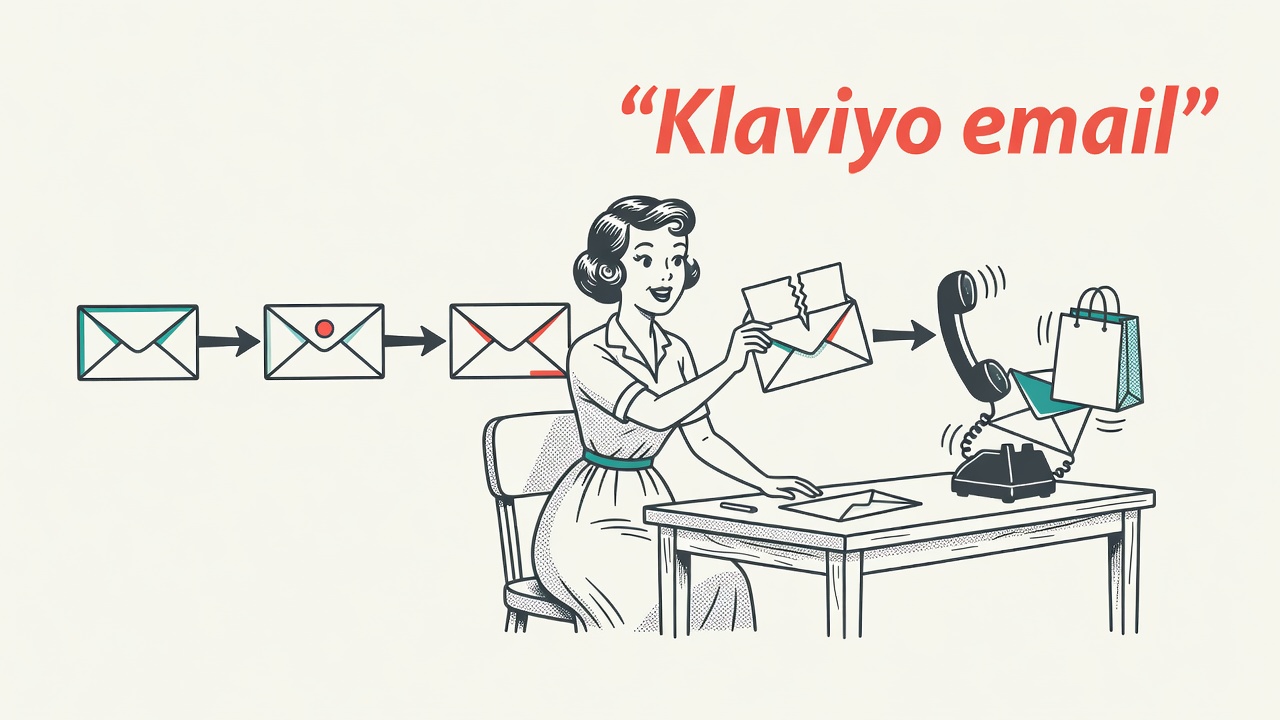

Abandoned cart recovery turns lost sales into completed orders through timed emails, SMS, retargeting ads, and checkout fixes. A three-message email series starting within 60 minutes of abandonment, layered with multi-channel retargeting, brings back shoppers who genuinely meant to buy. Measure recovery rate and revenue per email sent to know what’s working and what to test next.
Abandoned cart recovery is one of the highest-return activities in ecommerce, because it targets shoppers who already chose your product. Around 70 percent of online shoppers leave without completing a purchase, according to Baymard Institute research covering hundreds of sites. Most didn’t reject what you’re selling. They got distracted, hit a friction point, or needed more time. A well-built recovery program brings a meaningful share of them back without paying to re-acquire them.
The top reasons shoppers leave without buying are unexpected shipping costs, forced account creation, and a checkout that takes too many steps. Fix those problems before building any recovery campaign. A checkout that drives customers away on its own caps what any email sequence or retargeting program can recover, no matter how well-crafted the follow-up messages are.
Add a guest checkout option if you haven’t already. Show shipping costs on the product or cart page, not as a surprise at the final step. Accept at least two payment methods beyond standard credit cards, whether that’s PayPal, Apple Pay, or a buy-now-pay-later option. Each of these changes reduces the pool of carts that need recovering, which is cheaper than chasing shoppers after they’ve left.
Exit-intent overlays give you one more chance before a shopper leaves. When someone moves toward closing the tab or hitting the back button, a timed overlay offering free shipping or a modest discount can convert a portion of those exits directly. Use them on cart and checkout pages only, where abandonment intent is clear. Skip them on mobile, where the trigger is hard to detect reliably and false positives frustrate shoppers mid-scroll.
How to Build Your Abandoned Cart Email Sequence
Send your first cart recovery email within 30 to 60 minutes of abandonment. That’s when purchase intent is highest and the product is still fresh in the shopper’s mind. Three emails, timed at 1 hour, 24 hours, and 48 to 72 hours after abandonment, is the sequence most stores find effective before diminishing returns set in.
Email 1 is a clean reminder with no discount. Show the exact items left in the cart, use one clear call to action, and keep the design uncluttered. Many abandoning shoppers just got pulled away from their browser. They don’t need a coupon to come back; they need a nudge. Holding the offer here protects margin and avoids training customers to abandon intentionally in hopes of a deal.
Email 2, sent around 24 hours later, adds reassurance. Pull in customer reviews for the specific products in the cart, mention a trust signal like a return policy, or offer free shipping if that’s a lever available to you. By now some shoppers have compared your product with competitors. A concrete reason to choose you, beyond a price cut, does more work here than another bare reminder.
Email 3 is where you introduce a time-bound discount if the cart value makes it worthwhile. A 10 or 15 percent offer with a 24-hour expiration creates real urgency. Segment by cart size before sending. A $20 cart doesn’t need a steep discount; a $250 cart might convert even at 10 percent off. Set a minimum cart threshold for discount sends so you’re not cutting margin on low-value orders. For more on structuring the sequence, a Mailchimp guide to abandoned cart emails covers incentive staging and cart-value segmentation approaches in detail.
Prices accurate as of September 7, 2026
Adding SMS and Push Notifications to Your Cart Recovery Program
SMS reaches shoppers who skip their email, and open rates for cart recovery texts run significantly higher than for email. Your SMS list will be smaller since opt-in is required, so the channel supplements email rather than replacing it. Send one message per cart, within 30 to 60 minutes of abandonment, with the product name, a short link back to the cart, and at most one offer. Keep it under two short sentences. Longer SMS messages perform measurably worse.
Browser push notifications work well for shoppers who opted in through your site and are still actively online. The audience is narrower than email, but the timing can be near-instant. A push notification that fires within a few minutes of abandonment catches shoppers while they’re still in a buying mindset. Keep the message focused on the single most valuable item in the cart and use push as a first-touch ahead of email when the session is still warm.
Coordinate suppression across all three channels. If a shopper clicks your first email and returns to checkout, stop the SMS and suppress the follow-up emails. A recovery program that treats each channel as a separate campaign sends overlapping messages to re-engaged shoppers, which reads as disorganized and erodes trust. Your email platform or customer data platform should handle event-based suppression so each shopper gets one coherent experience, not three competing ones.
Retargeting Ads: Recovering Shoppers Across Social and Display Networks
Retargeting ads follow shoppers across social feeds and display networks after they leave your store without buying. They reach people who never opened your email or SMS, making them a distinct and valuable layer in any multi-channel recovery program. Set a frequency cap around three to five impressions per day. More than that and the ads shift from useful reminders to something that feels like surveillance.
Coordinate ad timing with your email sequence. Running retargeting in the 24 to 72 hours after abandonment reinforces your messages without duplicating them. Early in the window, use clean product imagery. Later, introduce a stronger offer. Keep ad creative consistent with your email visual design so shoppers recognize your brand across channels. Research from Baymard Institute on cart abandonment rates consistently shows that cart-specific, personalized campaigns outperform generic re-engagement efforts on click-through and conversion rates. Google’s remarketing setup guide for Google Ads covers the tag implementation and audience configuration needed for dynamic product-level campaigns across the Display Network.
Personalization improves results across every channel. Show the exact items a shopper left behind, use their first name, and tailor any incentive to their cart value. Segment by cart size, product category, and customer history. A first-time visitor and a repeat buyer deserve different messages, different levels of social proof, and possibly different offers. Getting this segmentation right is where sophisticated ecommerce abandoned cart recovery strategies separate themselves from basic automated sequences.
Measuring Your Ecommerce Abandoned Cart Recovery Strategies
The right metrics for ecommerce abandoned cart recovery strategies are recovery rate, recovered revenue, and revenue per email sent. Recovery rate is the percentage of abandoned carts your program converts to completed orders. Recovered revenue is the real dollar impact. Revenue per email sent lets you compare individual messages in your sequence to see which ones carry the most weight.
Map your full funnel: carts abandoned, shoppers identified (anonymous visitors cannot receive email or SMS), messages delivered, opened, clicked, and converted. Each gap in this funnel points to a specific problem. A low identification rate is an email capture issue. A high open rate with weak click-through suggests your email copy or cart display needs work. A strong click rate with poor conversion often means checkout still has friction, which is a UX problem, not a messaging problem.
Test one variable at a time. Subject lines, send timing, discount thresholds, and CTA copy all affect performance in measurable ways. Run A/B tests on your highest-volume messages first, where you accumulate statistical significance fastest. Small improvements compound: a 3-point lift in your first-email open rate, applied across hundreds of abandoned carts each month, adds up to meaningful recovered revenue over time. Treat your recovery program as a living system that improves with each test cycle, not a one-time setup.
Anonymous visitors, those who browse and add items to a cart without identifying themselves, can’t be reached by email or SMS recovery. That makes email capture a core part of any abandoned cart strategy, not a secondary concern. Exit-intent overlays, early checkout email fields, and account creation incentives all increase the share of abandoning shoppers you can actually follow up with. Moving from 30 to 35 percent email identification across thousands of monthly sessions translates to hundreds of additional recovery opportunities each month.
Quick Takeaways
- Fix your checkout first: guest checkout, early shipping cost display, and multiple payment options prevent more abandonment than any follow-up campaign can recover.
- Send your first recovery email within the first hour of abandonment, and hold your discount until Email 3 in the sequence.
- Layer email, SMS, and retargeting ads into a coordinated multi-channel program to reach shoppers across every channel they pay attention to.
- Measure recovery rate, recovered revenue, and revenue per email sent, then run A/B tests on your highest-volume messages to compound small improvements over time.
Frequently Asked Questions
- What is ecommerce abandoned cart recovery?
- Ecommerce abandoned cart recovery is the practice of re-engaging shoppers who added products to their cart but left without completing checkout, typically through automated emails, SMS messages, push notifications, and retargeting ads. The goal is to bring those shoppers back to your store and convert the pending sale into a completed order.
- When should I send the first cart recovery email?
- Send the first cart recovery email within 30 to 60 minutes of abandonment. Purchase intent is highest in the first hour, and a timely reminder while the shopper still has your store fresh in their mind produces significantly better results than messages sent hours or days later.
- How many recovery emails should I send?
- Most stores see the best results from a three-email sequence timed at roughly 1 hour, 24 hours, and 48 to 72 hours after abandonment. Adding more than three emails tends to increase unsubscribe rates faster than it adds conversions, so test carefully before extending your sequence beyond that window.
- Should I offer a discount in every cart recovery message?
- No. Leading with a discount in your first message trains some shoppers to abandon carts intentionally in hopes of a coupon. Send a simple reminder first, add social proof or free shipping in the second message, and reserve a time-bound discount for the third message, focused on carts where the recovered revenue justifies the cost to your margins.
- How do I measure the success of my cart recovery program?
- Track recovery rate (the percentage of abandoned carts converted to completed orders), recovered revenue (the total dollar impact), and revenue per email sent (which compares individual messages in your sequence). Map your full funnel from abandonment through conversion to identify where shoppers are dropping off and which gaps to address first.