
TL;DR: The subscription box ecommerce model builds predictable recurring revenue by delivering products on a regular schedule instead of relying on one-time sales. Success depends on matching your product to the right subscription type, pricing to a healthy margin, managing kitting and fulfillment costs, and keeping monthly churn below 5%.
What Is the Subscription Box Ecommerce Model?
The subscription box ecommerce model delivers products to customers on a recurring schedule in exchange for recurring payments, creating reliable revenue instead of chasing one-time transactions. Rather than fighting for every sale, you build a base of paying subscribers who generate revenue automatically each billing cycle. That shift from transaction to relationship changes how you plan, buy inventory, and grow your brand.
The appeal for sellers is cash flow certainty. You know roughly how much revenue is coming in before the billing period starts. That allows smarter inventory purchasing, better supplier terms, and more confident marketing investment. A traditional store earns nothing the moment a customer leaves. A subscription brand keeps earning until that customer actively cancels.
For buyers, the appeal depends on the type of subscription: convenience, discovery, savings, or exclusive access. That mutual benefit is what makes subscription commerce a durable structure. The global subscription box market surpassed $32 billion in 2022 and continues to expand as more product categories prove out the model.
The Three Core Subscription Box Business Models
Three distinct models power most subscription box businesses: replenishment, curation, and access. Choosing the right one for your product is the foundational decision, and getting it wrong makes everything harder downstream.
Replenishment subscriptions handle products customers consume and need to replace regularly. Razors, coffee, supplements, diapers, pet food. The pitch is simple: subscribe once and never run out, usually at a discount versus single purchases. These tend to have lower churn because the product is genuinely necessary and cancellation creates an immediate problem for the customer.
Curated subscription boxes focus on discovery and personalization. You assemble a themed collection, whether beauty samples, specialty snacks, artisan candles, or hobby supplies, and send subscribers something they did not choose themselves. The value is the experience: surprise, expert curation, and introduction to new products. Access or membership subscriptions charge a recurring fee for perks such as exclusive pricing, early product access, or members-only content. For smaller brands, this model works well as a loyalty layer on top of an existing store, rewarding repeat buyers and lifting purchase frequency across your catalog.
What Products Are Best Suited for a Subscription Box?
Not every product fits a subscription. The subscription box ecommerce model works best when the product is consumable, replaceable, or benefits from expert curation and novelty. Coffee, skincare, vitamins, cleaning supplies, and pet treats all have natural repeat purchase built in. Customers use them up and need more, making a subscription a genuinely convenient offer rather than a manufactured one.
Discovery products work for different reasons. Specialty foods, books, craft supplies, and niche collectibles can command a premium because the subscriber values curation expertise as much as the products themselves. If you have genuine domain knowledge and can source items your subscribers cannot easily find on their own, a curated subscription box can sustain a meaningful price point over months and years.
Avoid forcing a subscription onto products with low repeat purchase rates or long replacement cycles. A subscription for premium luggage does not make sense. A subscription for travel organizers, packing cubes, and accessories might. Ask this question before you launch: would a typical customer realistically want this product delivered again in 30 days? If the honest answer is no, redesign the offer.
Worth Knowing: The subscription box ecommerce model breaks down fast when perceived box value does not clearly exceed the price. Survey your subscribers after their third box. If responses mention the box feels repetitive or underwhelming, that is a curation problem, not a marketing problem. Improve what is inside the box before spending more on acquisition.
Subscription Box Pricing Strategies That Convert and Retain
Pricing a subscription box is different from pricing a one-time product. You are pricing an ongoing relationship and the cumulative value across many deliveries. Fixed pricing is the simplest starting point: one box, one monthly price. It is easy to communicate and easy to test. Most new subscription brands begin here before adding complexity.
Tiered subscription box pricing adds flexibility and increases revenue potential. A basic box and a premium box at different price points let you serve a wider range of customers and grow average revenue per subscriber over time. Adding annual or quarterly prepaid plans alongside monthly billing is a reliable next step. Annual subscribers churn at significantly lower rates and improve cash flow because you collect revenue upfront. Many brands also offer a discounted introductory first box to lower the barrier to subscribe, which works well for acquisition but requires close monitoring of first-to-second-month retention to confirm the economics hold.
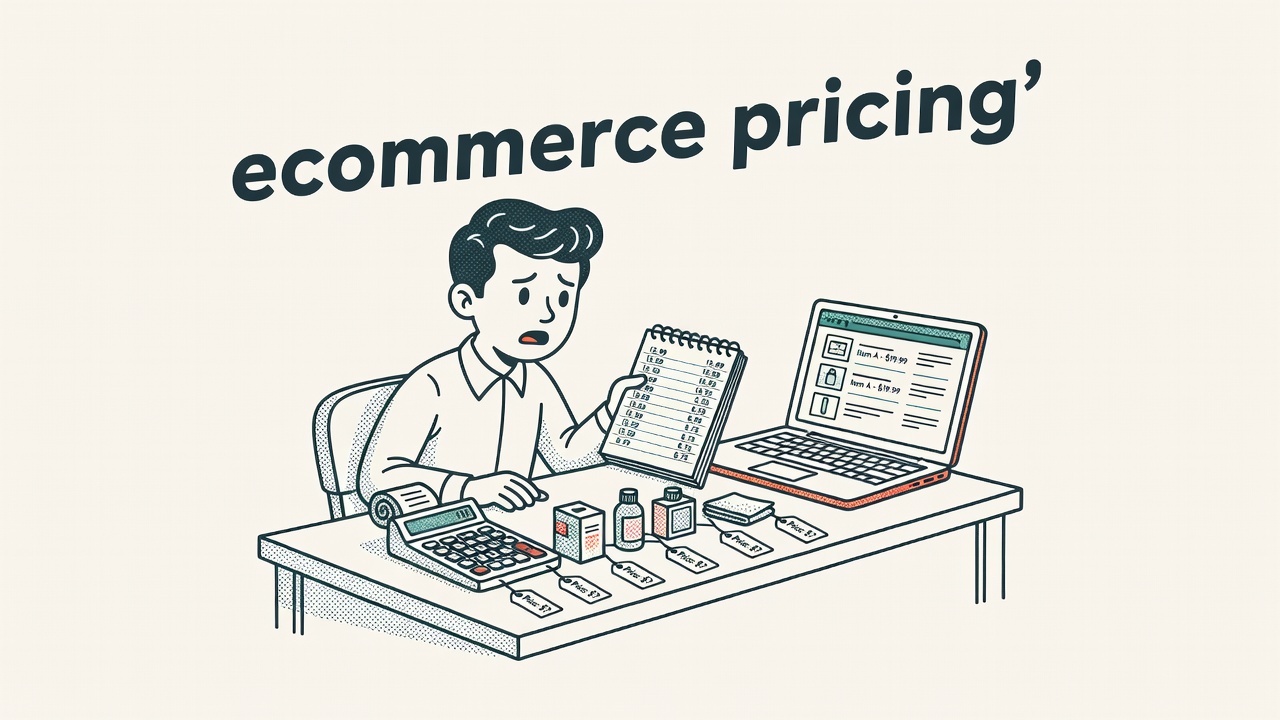
Subscription box pricing must account for total unit cost: product cost, branded packaging, kitting labor, and shipping. A common mistake is pricing based on product cost alone. If your total landed cost per box is $18 and you charge $25, a 10% monthly churn rate plus payment failures can eliminate your margin quickly. Price to a gross margin of 40% or higher, then stress-test that number against your churn projections before you launch.
Software, Fulfillment, and Kitting Operations
Running a subscription box store requires purpose-built software that standard ecommerce platforms do not always include. You need a subscription billing platform that handles recurring charges, failed payment recovery, and billing cycle management automatically. Recharge is widely used for Shopify merchants. Subbly is built specifically for subscription box businesses. At the payment infrastructure level, Stripe powers recurring billing for many platforms and integrates with most subscription management tools. Beyond billing, you need subscriber self-service portals so customers can pause, skip, swap products, or update their address without contacting support. Self-service portals reduce both churn and support volume at the same time.
Inventory forecasting tools tied to active subscriber counts prevent over-buying and stockouts before each monthly ship date. A/B testing tools help you optimize pricing pages, retention offers, and box configurations. Churn and retention analytics show exactly where in the subscriber lifecycle people are leaving so you can build targeted intervention flows before cancellations happen. Shopify’s subscription commerce resources offer a useful overview of platform integrations when you are evaluating your tech stack.
Fulfillment for subscription boxes includes a kitting step that standard ecommerce fulfillment does not require. Kitting means assembling box contents into a finished, branded package before it ships. At small volumes, many brands kit in-house. Beyond a few hundred boxes per month, third-party logistics providers that specialize in subscription kitting are worth evaluating. The key unit economic metric is total cost per box assembled and shipped. That number needs to sit well below your subscription price for the model to be profitable. If you are spending $20 to fulfill a $28 box, there is no room for marketing spend, returns, or failed payments.
Reducing Churn and Tracking What Matters in the Subscription Box Ecommerce Model
Churn is the defining operational challenge of the subscription box ecommerce model. Losing more than 10% of subscribers monthly means spending heavily on acquisition just to stay flat. A monthly churn rate below 5% is a reasonable benchmark for a stable subscription business. The most effective retention levers are personalization, perceived value, and surprise. Subscribers who feel the box reflects their specific preferences stay longer. Subscribers who occasionally receive a bonus item or early-access exclusive feel rewarded for their continued commitment.
Tactical churn reduction includes offering a pause or skip option rather than forcing cancellation, creating loyalty milestones such as a bonus product at the six-month mark, and building automated win-back flows for subscribers who do cancel. Involuntary churn from failed payments is recoverable. A well-built dunning sequence that retries charges and sends recovery emails at the right intervals can reclaim 20-40% of failed payment cancellations before they become permanent losses.
Track these five metrics from your first subscriber cohort: monthly recurring revenue (MRR), customer lifetime value (CLV), monthly churn rate, average revenue per user (ARPU), and customer acquisition cost (CAC). The CLV-to-CAC ratio is your profitability compass. A healthy ratio is 3:1 or higher. If you spend $60 to acquire a subscriber who stays four months at $25 per month, your gross revenue is $100 per customer. Whether that works depends entirely on cost of goods and fulfillment per box, which makes tracking subscription box customer lifetime value against total unit costs non-negotiable from day one.
Quick Takeaways
- Three core subscription models exist: replenishment (consumables), curation (discovery), and access (perks and exclusives). Choose based on your product category and the core value you deliver to subscribers.
- Consumable, discovery-oriented, and naturally repeat-purchase products fit subscription commerce best. Avoid subscriptions for low-repeat or high-ticket one-time items.
- Start with fixed pricing, then add tiers and annual plans as you validate demand. Annual plans reduce churn and improve cash flow at the same time.
- Invest in a dedicated subscription billing platform and subscriber self-service portals from the start. They reduce both churn and support costs from day one.
- Track CLV-to-CAC ratio, monthly churn, and MRR every month. If monthly churn exceeds 8%, audit box quality and personalization before increasing your ad spend.
| feature | Replenishment | Curation | Access |
|---|---|---|---|
| core appeal | Never run out | Discovery & surprise | Exclusive perks |
| example products | Razors, coffee, diapers | Snacks, beauty, candles | Members-only pricing |
| churn risk | Lower | Higher | Medium |
| value driver | Convenience & savings | Expert curation | Loyalty rewards |
| works best for | Consumables | Themed collections | Existing stores |
Frequently Asked Questions
- What is the difference between a curated subscription box and a replenishment subscription?
- A curated subscription box sends subscribers a themed or personalized assortment of products where the curation and element of surprise are the core value proposition. A replenishment subscription automatically delivers products the customer already knows and uses regularly, such as coffee or razors, typically at a discount. The key distinction is discovery versus convenience, and the right model depends on your product category.
- What products are best suited for a subscription box business?
- Products that are consumable, used regularly, or benefit from expert curation are best suited for a subscription box. Strong categories include beauty products, supplements, specialty snacks, pet supplies, and hobby supplies. Products with long replacement cycles or high one-time price points are poor fits because customers do not have a natural reason to keep receiving them on a regular schedule.
- How do you reduce churn in a subscription box business?
- The most effective churn reduction strategies are personalizing box contents to subscriber preferences, offering a pause or skip option instead of forcing cancellation, adding loyalty rewards at tenure milestones, and building a dunning sequence to recover failed payments automatically. Consistently delivering perceived value that exceeds the price paid is the underlying driver of long-term retention, and no tactical fix replaces a strong product experience.
- What software do you need to run a subscription box store?
- A subscription box store requires a recurring billing platform such as Recharge or Stripe, a subscription management tool that lets customers pause or update their subscription without contacting support, inventory forecasting software, and churn analytics tools. Most established subscription box brands also use a customer survey or personalization tool and an A/B testing platform to optimize offers, box configurations, and retention flows over time.
- What metrics matter most for subscription ecommerce profitability?
- The most important metrics for a subscription box business are monthly recurring revenue (MRR), customer lifetime value (CLV), monthly churn rate, customer acquisition cost (CAC), and the ratio of CLV to CAC. A healthy CLV-to-CAC ratio is typically 3:1 or higher, meaning you earn at least three dollars for every dollar spent on acquisition. Monthly churn below 5% is a reasonable benchmark for a stable and growing subscription brand.